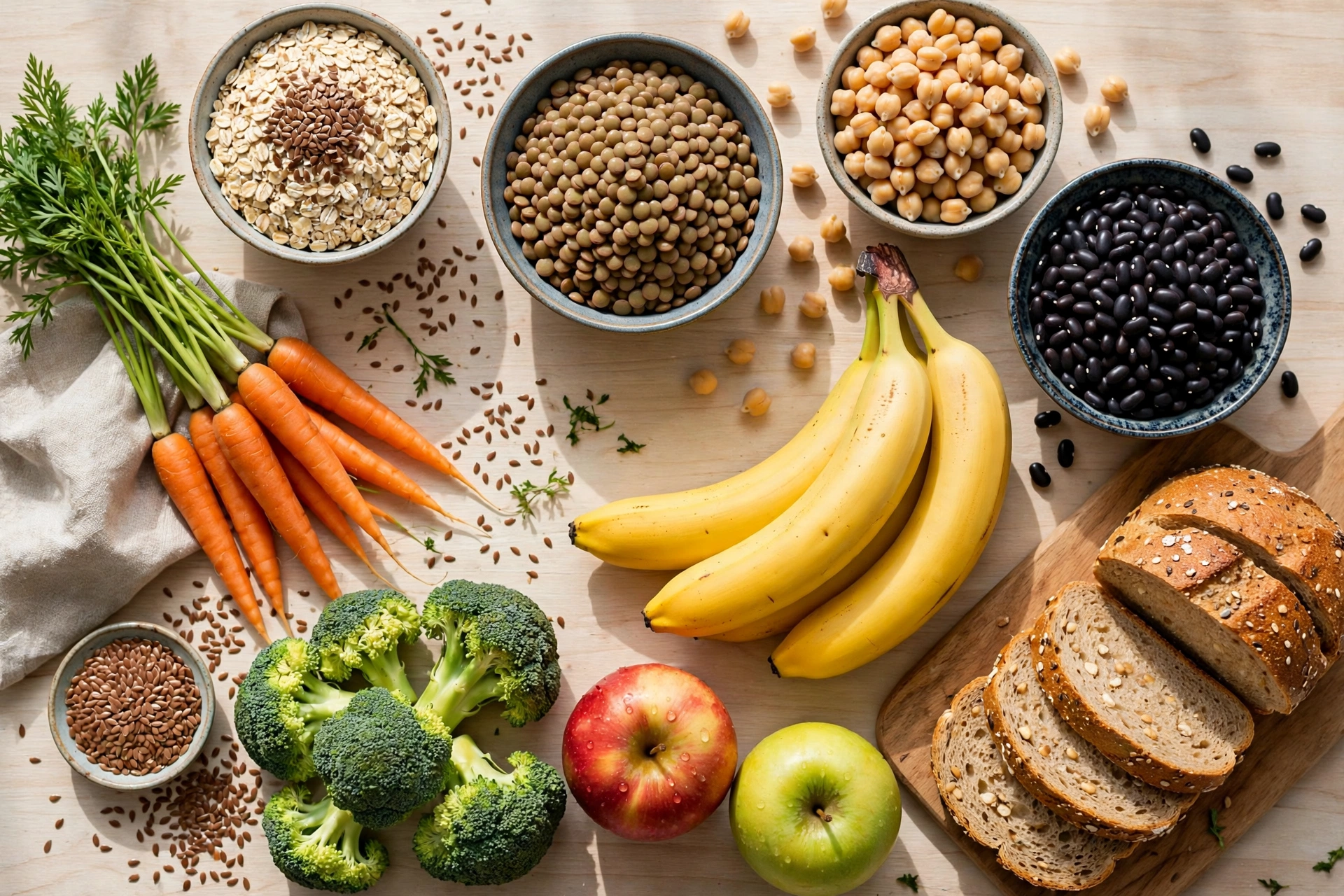
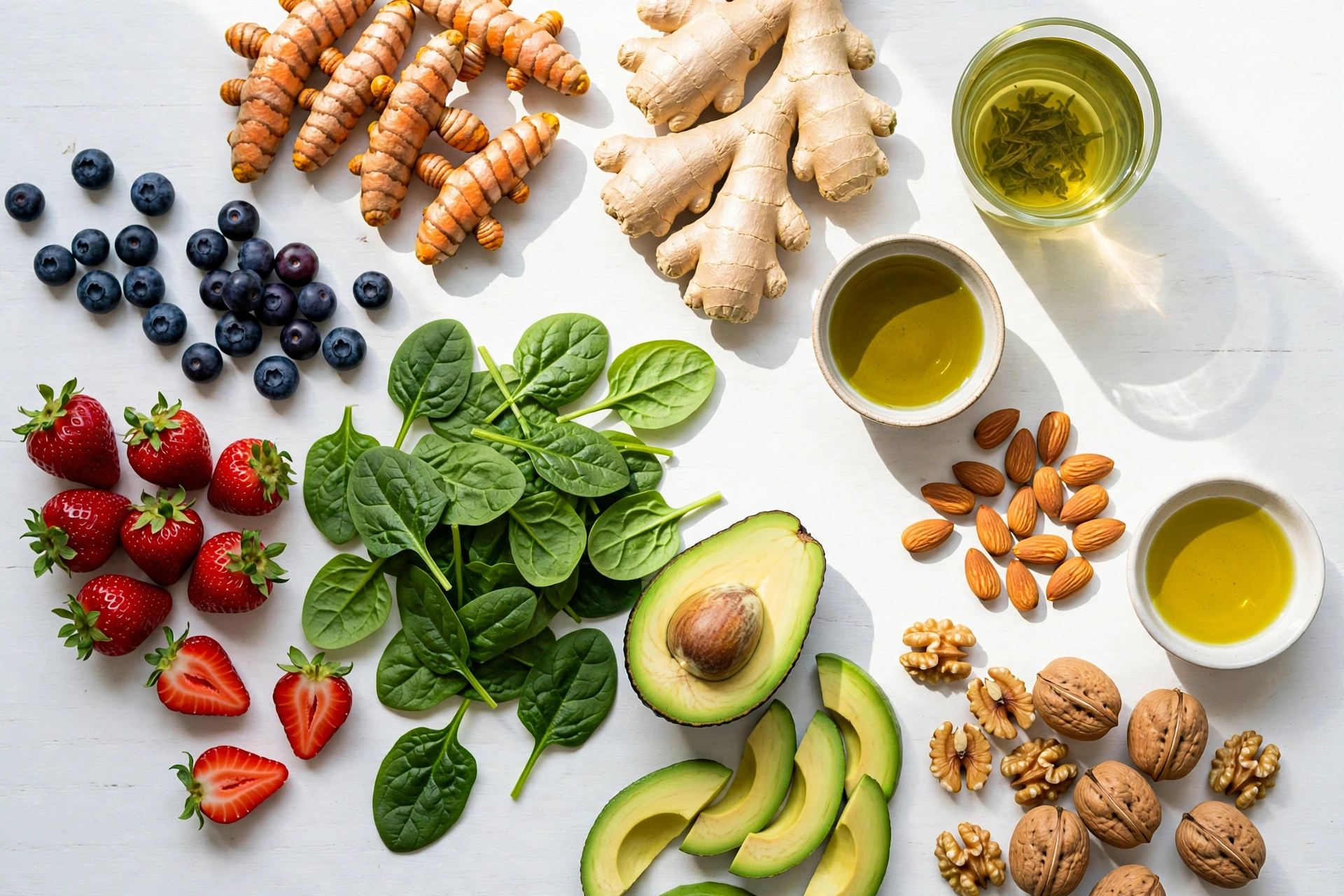
Adopting a vibrant, nutrient-dense diet is one of the most effective ways to support your long-term wellness. Our anti-inflammatory foods list serves as a practical roadmap for incorporating colorful, fiber-rich ingredients into your daily routine. By focusing on simple, everyday choices like fresh berries, leafy greens, fatty fish, and hearty whole grains, you can nourish your body from the inside out. These natural anti-inflammatory foods are not about following strict rules or restrictive habits. Instead, they encourage a flexible approach to eating that celebrates variety and flavor. anti-inflammatory foods list It is important to remember that while these dietary patterns support overall vitality, they are not a guaranteed medical treatment for chronic pain or specific conditions. We view these anti-inflammatory foods for health as a sustainable way to improve your energy and well-being through simple, delicious meals. Key Takeaways How Food Can Support a Lower-Inflammation Lifestyle Your plate holds more than just calories; it serves as a powerful tool for managing your body’s internal environment. By choosing the best anti-inflammatory foods, you can provide your system with the nutrients it needs to function at its peak. This approach is not about perfection, but rather about making consistent, positive changes to your daily habits. What inflammation does in the body Inflammation is a natural part of your immune system’s defense strategy. When you get a cut or catch a cold, your body triggers this process to protect and heal itself. This short-term response is essential for survival and recovery. However, problems arise when this process stays turned on for too long. Ongoing, low-level inflammation can linger in the body and contribute to various health concerns over time. Finding the right anti-inflammatory foods for inflammation helps your body maintain a healthy, balanced state. How colorful, fiber-rich foods support overall health Nature provides a vibrant array of produce that acts as fuel for your well-being. Colorful fruits and vegetables are packed with vitamins, minerals, and unique plant compounds that help neutralize stress in the body. These nutrients work together to support your immune system and keep your cells functioning smoothly. Fiber is another critical component of a healthy diet. It supports your digestive system and helps keep your blood sugar levels stable throughout the day. By filling your plate with diverse, fiber-rich plants, you provide your body with the building blocks for long-term vitality. Why an anti-inflammatory eating pattern matters more than one “superfood” It is tempting to look for a single “magic” ingredient to solve all your health problems. In reality, no single food can replace the benefits of a balanced, varied diet. Relying on one item ignores the synergistic effect of eating a wide range of whole foods. True wellness comes from a consistent pattern of eating. When you combine berries, leafy greens, legumes, and whole grains, you create a powerful defense system. This holistic approach ensures you get a broad spectrum of nutrients that work better together than any single food could on its own. What to expect for arthritis, everyday aches, and pain relief Many people hope that changing their diet will provide immediate relief from joint pain or everyday aches. While nutrition plays a vital role in managing discomfort, it is important to keep your expectations realistic. Dietary changes often work gradually to support your body’s natural healing processes. If you are dealing with persistent arthritis symptoms or chronic pain, please consult with a qualified healthcare professional. They can provide personalized guidance that complements your dietary efforts. Using the best anti-inflammatory foods is a wonderful way to support your general wellness, but it should always be part of a comprehensive health plan. Anti-Inflammatory Foods List: Best Choices to Add to Your Plate Building a plate filled with natural anti-inflammatory foods is a simple way to boost your daily wellness. Rather than looking for a single miracle ingredient, focus on creating a diverse eating pattern that supports your body from the inside out. These nutrient-dense options work best when combined consistently over time. natural anti-inflammatory foods Berries for polyphenols and natural sweetness Easy ways to enjoy blueberries, strawberries, raspberries, and blackberries Berries are among the top anti-inflammatory foods because they are packed with fiber and antioxidants called polyphenols. You can easily add them to your morning routine by tossing a handful into oatmeal or yogurt. They also make a perfect, refreshing snack on their own or blended into a smoothie. Fatty fish for omega-3 fats How salmon, sardines, trout, and mackerel fit into balanced meals Fatty fish provide essential omega-3 fatty acids that help calm the body. Aim to include these fish in your weekly meal plan at least twice. You can bake salmon with lemon, grill trout, or add canned sardines to a fresh garden salad for a quick protein boost. Leafy greens and cruciferous vegetables Simple preparations for spinach, kale, broccoli, and Brussels sprouts Dark, leafy greens and crunchy cruciferous vegetables are staples for a healthy lifestyle. Steaming or lightly sautéing these vegetables helps retain their vital nutrients while making them easier to digest. Try adding a handful of spinach to your morning eggs or roasting broccoli with a touch of garlic. Extra-virgin olive oil and other beneficial fats Using olive oil, avocado, and olives in everyday cooking Healthy fats are essential for absorbing vitamins and supporting overall health. Extra-virgin olive oil is a fantastic base for homemade salad dressings or light sautéing. You can also slice fresh avocado onto toast or add olives to grain bowls for extra flavor and texture. Nuts and seeds for fiber, minerals, and healthy fats Practical portions of walnuts, almonds, chia seeds, and flaxseeds Nuts and seeds offer a satisfying crunch along with heart-healthy fats and fiber. A small handful of walnuts or almonds makes an excellent afternoon snack. You can also sprinkle chia seeds or ground flaxseeds over your cereal to increase your daily nutrient intake. Beans, lentils, and whole grains Choosing fiber-rich anti-inflammatory diet foods such as oats, quinoa, and chickpeas Fiber is a key component of anti-inflammatory diet foods that keep your digestion running smoothly. Oats are a classic choice for a hearty breakfast, while quinoa serves as a versatile base for lunch bowls. Chickpeas can be roasted for a crunchy snack or added to soups for extra substance. Herbs and spices with antioxidant compounds Adding turmeric, ginger, garlic, cinnamon, and herbs to meals Using herbs and spices is a flavorful way to incorporate anti-inflammatory foods for arthritis management into your cooking. Turmeric and ginger add warmth to curries and teas, while garlic enhances almost any savory dish. Fresh herbs like parsley or cilantro can brighten up your plate without adding extra salt. Green tea and unsweetened beverages Making hydration support an anti-inflammatory eating pattern Staying hydrated is vital for your body to function at its best. Green tea is a wonderful choice because it contains unique compounds that support your health. Swap out sugary sodas for unsweetened tea or water infused with fresh fruit slices. Fermented foods for variety and gut-friendly eating Including plain yogurt, kefir, sauerkraut, and kimchi appropriately A healthy gut is closely linked to how your body manages inflammation. Fermented foods like plain yogurt and kefir provide beneficial probiotics that support your digestive system. You can also add a small spoonful of sauerkraut or kimchi to your meals for a tangy, gut-friendly kick. How to Build an Anti-Inflammatory Day of Meals Building a sustainable eating pattern starts with understanding how to combine the right ingredients throughout your day. By focusing on an anti-inflammatory foods list, you can create meals that provide lasting energy and support your body’s natural processes. Consistency is the key to long-term success rather than seeking a single miracle cure. … Read more