How to Reduce Anxiety Naturally: 10 Science-Backed Techniques That Work

That racing heart, the tight chest, the thoughts that won’t stop spinning — anxiety is one of the most common mental health challenges in the world, affecting an estimated 300+ million people globally. While medication and therapy are important options for many, there’s a growing body of evidence that natural techniques can significantly calm an … Read more

Walking 10000 Steps a Day Benefits That Improve Your Life

Many people view movement as the simplest path to better health. Reaching 10000 steps a day acts as a popular goal for those seeking to boost their physical fitness and mental clarity. While this specific number is not a strict medical requirement, it serves as a powerful motivator for staying active. walking 10000 steps a day benefits Incorporating more motion into your routine offers numerous advantages for your heart and mood. Understanding the walking 10000 steps a day benefits helps you appreciate how small, consistent habits transform your overall wellness. By focusing on steady progress, you can build a sustainable lifestyle that supports your long-term vitality. Key Takeaways Walking 10000 steps a day benefits that can improve your life Walking is one of the simplest ways to improve your health, yet the famous 10,000-step target has a surprising history. Many people embrace this number as a standard for wellness, but it is helpful to understand the context behind these step count benefits. Why 10,000 steps became a popular daily goal The 10,000-step figure originated in Japan during the 1960s as a marketing tool for early pedometers. The name of the device, Manpo-kei, translates to “10,000-step meter.” It was chosen because the Japanese character for 10,000 looks like a person walking, making it a catchy and memorable goal for the public. “The best exercise is the one you actually do consistently, rather than the one that fits a perfect, arbitrary number.” What counts toward your daily step total You might be surprised to learn that every movement counts toward your daily step goal advantages. Whether you are walking to the mailbox, pacing while on a phone call, or doing household chores, these movements accumulate throughout the day. Planned exercise, such as a brisk morning walk or a gym session, certainly adds to your total. However, the cumulative effect of small, frequent movements is often what helps people reach their targets without feeling overwhelmed. Activity Type Intensity Level Contribution to Goal Household Chores Low to Moderate High Commuting/Errands Moderate Medium Planned Exercise High High How step count relates to overall physical activity Tracking your steps provides a clear window into your overall activity levels. It encourages you to move more frequently, which helps break up long periods of sitting. By monitoring your progress, you can identify patterns and make small adjustments to increase your movement naturally. Why 10,000 steps is a target rather than a requirement It is important to remember that 10,000 steps is a flexible benchmark rather than a strict medical requirement. Some individuals may see significant health improvements with fewer steps, while others might prefer a higher target. The most important aspect of your daily step goal advantages is finding a sustainable pace that fits your unique lifestyle and physical needs. Health improvements you may gain from walking regularly Discover how putting one foot in front of the other can reshape your physical well-being. Incorporating movement into your daily schedule provides a wide range of walking health benefits that extend far beyond simple calorie burning. By staying active, you create a foundation for a more resilient and capable body. Support for heart health and circulation Walking acts as a natural tonic for your cardiovascular system. Regular movement helps keep your blood vessels flexible and improves overall circulation throughout your body. This simple habit can lead to a stronger heart that pumps blood more efficiently with every beat. Better blood sugar control and metabolic health Your muscles consume glucose for energy when you walk, which helps stabilize your blood sugar levels. This process is vital for maintaining metabolic health and preventing energy crashes throughout the day. Consistent activity ensures your body processes nutrients more effectively, keeping your internal systems running smoothly. “Walking is the best possible exercise. Habituate yourself to walk very far.” — Thomas Jefferson Stronger muscles, bones, joints, and balance Weight-bearing activities like walking are essential for maintaining bone density as you age. Each step engages your core, legs, and glutes, which helps build functional strength. Furthermore, regular movement keeps your joints lubricated and improves your overall balance, reducing the risk of accidental falls. Walking benefits for weight loss and weight management When you focus on walking benefits for weight loss, you tap into a sustainable way to manage your body composition. Walking helps create a caloric deficit while preserving lean muscle mass. It is a low-impact strategy that fits easily into any lifestyle, making it easier to maintain long-term results. How walking intensity and consistency affect results Your individual progress depends on several key factors, including your starting fitness level and nutritional habits. While a leisurely stroll offers mental clarity, increasing your pace or adding hills can significantly boost your metabolic output. Consistency remains the most important factor for achieving lasting health improvements. Focus Area Primary Benefit Impact Level Heart Health Improved Circulation High Metabolic Rate Glucose Regulation … Read more

20Minute Home Workout No Equipment to Boost Your Energy

Do you often feel drained by the end of a long day? Finding time to hit the gym can be a challenge, but staying active is essential for your vitality. A 20minute home workout no equipment routine offers the perfect solution to help you move, build strength, and feel refreshed. This guide is designed as an ideal home workout for busy individuals who need an efficient way to exercise without relying on heavy machines or weights. You can easily fit this session into your schedule, whether you are in your living room or a small office space. 20-minute home workout no equipment We will walk through a complete progression, starting with a gentle warm-up to prepare your muscles. You will then move into timed bodyweight circuits that challenge your endurance before finishing with a calming cooldown. Feel free to adjust the intensity to match your current fitness level while completing the full routine in just under half an hour. Key Takeaways Get Ready for a 20-Minute Home Workout No Equipment A quick home workout can be the perfect reset button for your body and mind. By dedicating just twenty minutes to movement, you can effectively raise your core body temperature and improve blood circulation throughout your system. What This Quick Home Workout Can Do for Your Energy Engaging in an easy home workout routine provides a much-needed break from sedentary tasks. This short burst of activity helps clear mental fog and releases endorphins that naturally elevate your mood. You will likely notice a significant boost in your alertness and physical stamina shortly after finishing the session. “Movement is a medicine for creating change in a person’s physical, emotional, and mental states.” — Carol Welch What to Check Before You Start Before you begin, ensure you have enough open floor space to move freely without hitting furniture. Wear comfortable clothing that allows for a full range of motion and keep a bottle of water nearby to stay hydrated. Always perform a quick self-assessment regarding your current fatigue levels, balance, and any existing pain to ensure you are ready for exercise. How to Modify the Routine for Your Fitness Level It is important to listen to your body and adjust the intensity to match your current fitness level. You can easily scale this routine to ensure you remain challenged but safe throughout the entire twenty minutes. Low-impact options for beginners If you are just starting, focus on controlled movements rather than speed. You can replace jumping exercises with step-touches or march in place to keep your heart rate steady without excessive impact on your joints. Ways to increase intensity safely To increase the challenge, you can shorten your rest periods or add small, controlled pulses to your movements. Focus on maintaining proper form while increasing your speed to maximize the effectiveness of each repetition. Intensity Level Movement Style Rest Duration Beginner Steady and Controlled 45 Seconds Intermediate Moderate Pace 30 Seconds Advanced High Energy/Speed 15 Seconds Build Heat With a Simple Full-Body Warm-Up A proper warm-up is the foundation of every effective no equipment workout. By gradually increasing your activity level, you prepare your muscles and joints for the work ahead. This process helps you perform bodyweight exercises at home with better form and confidence. March in Place to Raise Your Heart Rate Start by marching in place to gently elevate your heart rate. Focus on lifting your knees comfortably while swinging your arms in rhythm. This simple movement signals to your body that it is time to transition from rest to activity. Arm Circles and Shoulder Rolls for Upper-Body Mobility Next, focus on your upper body by performing slow, controlled arm circles. Reach your arms out wide and rotate them in small, circular motions to loosen the shoulder joints. Follow this with gentle shoulder rolls to release any tension held in your neck and upper back. Bodyweight Good Mornings to Wake Up the Hips To prepare your posterior chain, practice the bodyweight good morning. Stand with your feet hip-width apart and place your hands behind your head. Hinge at your hips while keeping your back flat, feeling a light stretch in your hamstrings before returning to a standing position. Alternating Reverse Lunges to Prepare the Legs Incorporate alternating reverse lunges to build stability and lower-body control. Step one foot back and lower your knee toward the floor, keeping your front heel planted firmly. This movement is essential for mastering the balance required for an effective no equipment workout. Breathing and posture cues during the warm-up Maintaining proper form is just as important as the movement itself. Keep your chest lifted and your core engaged throughout these bodyweight exercises at home to protect your spine. “Preparation is the key to success in any physical endeavor, ensuring your body is ready to perform at its best.” Remember to breathe deeply and steadily during every repetition. Controlled breathing helps you stay focused and keeps your energy levels consistent as you prepare for the main circuit. Complete the Main Bodyweight Workout at Home The heart of your 20-minute home workout no equipment session begins with these five essential movements. By focusing on controlled form, you ensure that every repetition counts toward your fitness goals. Perform Squats for Leg and Glute Strength Squats are the foundation of lower-body power. They engage your quads, hamstrings, and glutes effectively. How to maintain knee and foot alignment Keep your feet shoulder-width apart with toes pointed slightly outward. As you lower your hips, ensure your knees track directly over your toes rather than caving inward. Keep your weight in your heels to protect your joints. … Read more

Top Gut Health Foods to Eat Daily for BetterDigestion

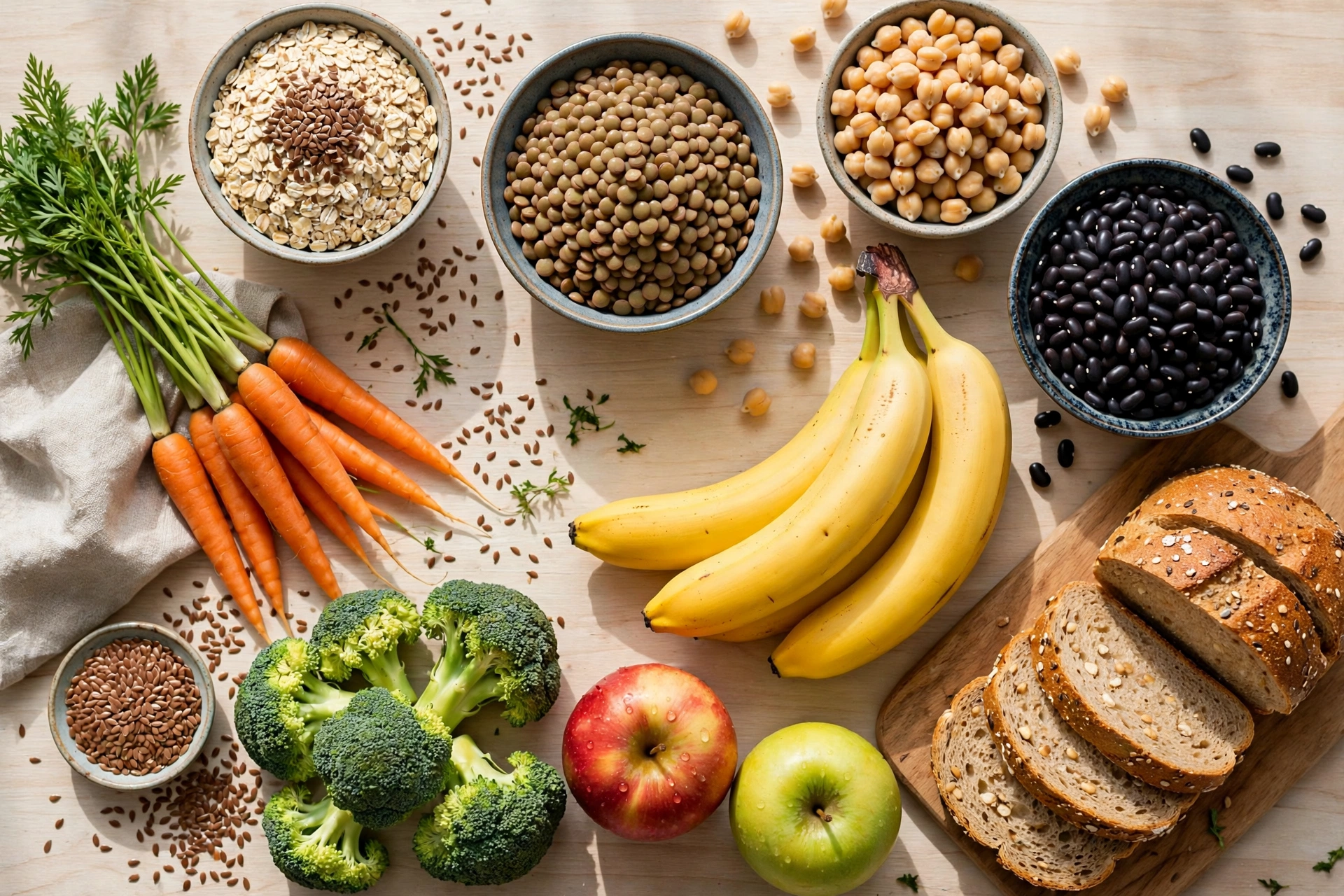
Achieving a balanced digestive system starts with the choices you make at every meal. By prioritizing consistent nutrition, you can support regular bowel movements and foster a diverse microbiome. Incorporating specific items into your routine is the most effective way to feel your best. gut health foods to eat daily This guide highlights practical options like fiber-rich plants, creamy yogurt, kefir, and fermented vegetables. We also emphasize the importance of hydrating produce. Soluble fiber works wonders by absorbing water, which helps everything move through your system with ease. Staying hydrated is just as vital as your fiber intake. When you combine these elements, you create a foundation for lasting comfort. We will explore simple meal combinations that make these gut health foods to eat daily approachable for your busy lifestyle in the United States. Key Takeaways Why Daily Food Choices Matter for Digestive Health Your daily food choices serve as the foundation for your long-term digestive health. By selecting nutrient-dense ingredients, you provide your body with the fuel it needs to function optimally. Consistency is key, as steady habits create a more stable environment for your internal systems compared to sudden, drastic dietary shifts. How the Gut Microbiome Supports Digestion The gut microbiome is a complex community of microorganisms living within your digestive tract. These tiny residents interact with the food components you consume, breaking down complex compounds that your body cannot digest on its own. This symbiotic relationship is essential for maintaining normal digestive processes and overall wellness. The Roles of Fiber, Fluids, and Beneficial Bacteria Fiber, fluids, and beneficial bacteria work in harmony to keep your system moving smoothly. Soluble fiber is particularly effective because it absorbs water, which helps soften stool and supports regular bowel movements. When you combine this with adequate hydration, you ensure that your digestive tract remains lubricated and efficient. Fiber Type Primary Function Best Sources Soluble Fiber Absorbs water for consistency Oats, beans, apples Insoluble Fiber Adds bulk to stool Whole grains, vegetables Prebiotic Fiber Feeds beneficial bacteria Garlic, onions, bananas How to Add Gut-Friendly Foods Without Causing Discomfort It is natural to want quick results, but adding high-fiber foods too rapidly can lead to unwanted gas or bloating. You should introduce these changes gradually to allow your gut microbiome time to adjust to the new intake. Starting with small portions helps your body adapt comfortably while you build a sustainable routine for better digestive health. Gut Health Foods to Eat Daily for Better Digestion Achieving optimal wellness often begins with the probiotic foods you choose to eat each day. By focusing on nutrient-dense ingredients, you provide your system with the tools it needs to thrive. These simple additions can make a world of difference in your daily comfort. Edit Delete Plain Yogurt With Live and Active Cultures Plain yogurt is a staple for anyone looking to improve their internal balance. It is packed with beneficial bacteria that support a healthy environment in your digestive tract. Best ways to serve yogurt You can easily incorporate yogurt into your morning routine by creating a balanced breakfast bowl. Top it with fresh fruit, a sprinkle of nuts, or a drizzle of honey for added flavor. It also works perfectly as a creamy base for smoothies or as a healthy substitute for sour cream in savory dishes. Kefir for a Wider Variety of Probiotic Cultures Kefir is a fermented drink that offers an even broader spectrum of microbes than standard yogurt. This tangy beverage is an excellent way to introduce more diversity to your microbiome. What to look for on the label When shopping, always check the label to ensure the product contains live and active cultures. Avoid options with added sugars or artificial flavors, as these can counteract the positive effects of the probiotic foods you are consuming. “A healthy gut is the cornerstone of overall vitality, and fermented foods are the most natural way to nourish that internal ecosystem.” — Nutritionist Perspective Oats for Soluble Fiber and Steady Digestion Oats are a fantastic source of soluble fiber, which helps keep your digestion moving smoothly. They act as a gentle cleanser for your system, promoting regularity throughout the day. Chia and Ground Flaxseed for Fiber and Healthy Fats These tiny seeds are nutritional powerhouses that provide both fiber and essential healthy fats. Because they absorb a significant amount of liquid, it is vital to drink plenty of water when adding them to your diet. Kiwi, Berries, and Apples for Digestive-Friendly Fiber Fresh fruit provides the natural fiber necessary to feed your beneficial bacteria. Incorporating these fruits into your snacks ensures you get a variety of vitamins alongside your fiber intake. Food Item Primary Benefit Serving Suggestion Plain Yogurt Probiotic support … Read more

Ant Inflammatory  Foods List: Eat Better, Feel  Better

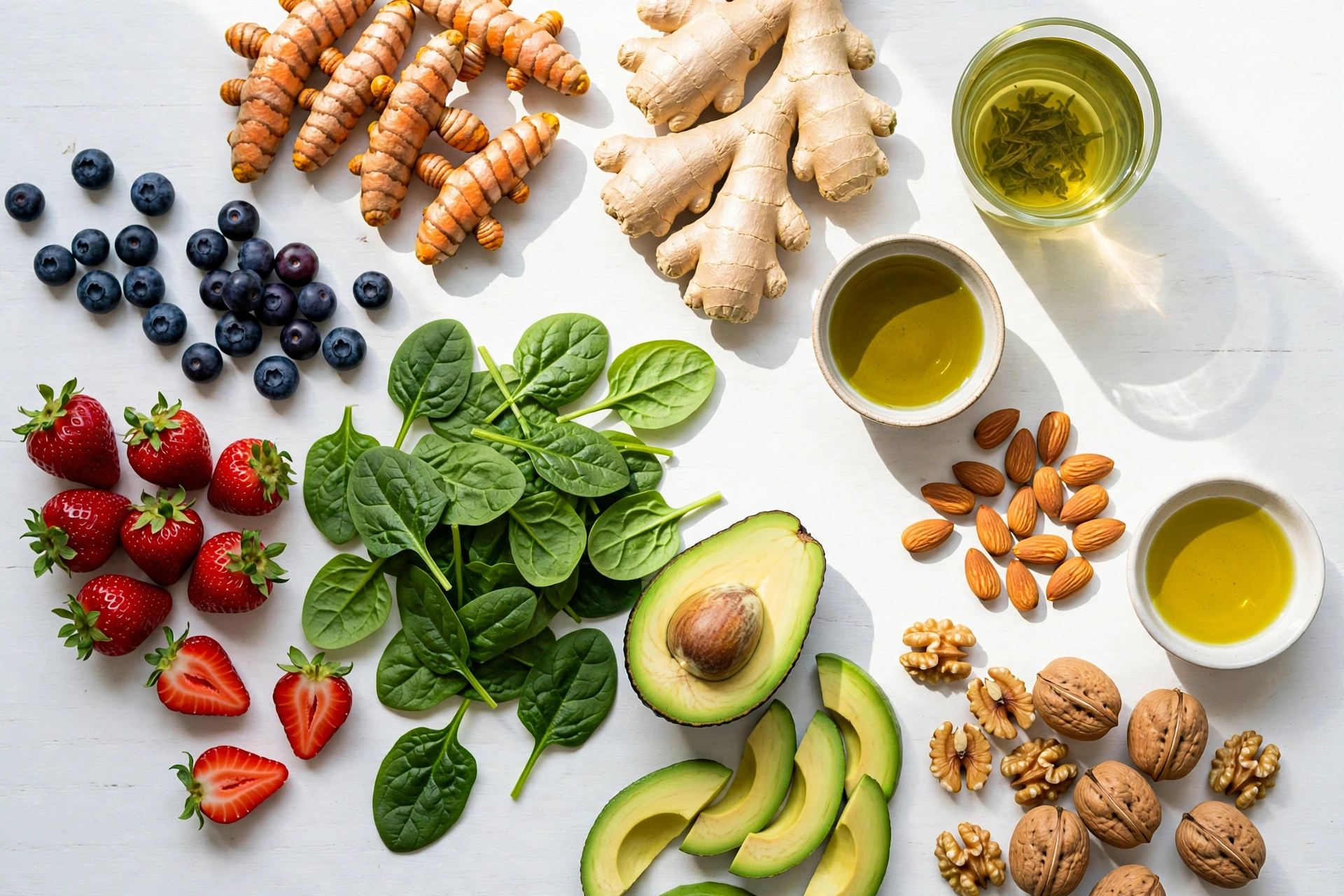
Adopting a vibrant, nutrient-dense diet is one of the most effective ways to support your long-term wellness. Our anti-inflammatory foods list serves as a practical roadmap for incorporating colorful, fiber-rich ingredients into your daily routine. By focusing on simple, everyday choices like fresh berries, leafy greens, fatty fish, and hearty whole grains, you can nourish your body from the inside out. These natural anti-inflammatory foods are not about following strict rules or restrictive habits. Instead, they encourage a flexible approach to eating that celebrates variety and flavor. anti-inflammatory foods list It is important to remember that while these dietary patterns support overall vitality, they are not a guaranteed medical treatment for chronic pain or specific conditions. We view these anti-inflammatory foods for health as a sustainable way to improve your energy and well-being through simple, delicious meals. Key Takeaways How Food Can Support a Lower-Inflammation Lifestyle Your plate holds more than just calories; it serves as a powerful tool for managing your body’s internal environment. By choosing the best anti-inflammatory foods, you can provide your system with the nutrients it needs to function at its peak. This approach is not about perfection, but rather about making consistent, positive changes to your daily habits. What inflammation does in the body Inflammation is a natural part of your immune system’s defense strategy. When you get a cut or catch a cold, your body triggers this process to protect and heal itself. This short-term response is essential for survival and recovery. However, problems arise when this process stays turned on for too long. Ongoing, low-level inflammation can linger in the body and contribute to various health concerns over time. Finding the right anti-inflammatory foods for inflammation helps your body maintain a healthy, balanced state. How colorful, fiber-rich foods support overall health Nature provides a vibrant array of produce that acts as fuel for your well-being. Colorful fruits and vegetables are packed with vitamins, minerals, and unique plant compounds that help neutralize stress in the body. These nutrients work together to support your immune system and keep your cells functioning smoothly. Fiber is another critical component of a healthy diet. It supports your digestive system and helps keep your blood sugar levels stable throughout the day. By filling your plate with diverse, fiber-rich plants, you provide your body with the building blocks for long-term vitality. Why an anti-inflammatory eating pattern matters more than one “superfood” It is tempting to look for a single “magic” ingredient to solve all your health problems. In reality, no single food can replace the benefits of a balanced, varied diet. Relying on one item ignores the synergistic effect of eating a wide range of whole foods. True wellness comes from a consistent pattern of eating. When you combine berries, leafy greens, legumes, and whole grains, you create a powerful defense system. This holistic approach ensures you get a broad spectrum of nutrients that work better together than any single food could on its own. What to expect for arthritis, everyday aches, and pain relief Many people hope that changing their diet will provide immediate relief from joint pain or everyday aches. While nutrition plays a vital role in managing discomfort, it is important to keep your expectations realistic. Dietary changes often work gradually to support your body’s natural healing processes. If you are dealing with persistent arthritis symptoms or chronic pain, please consult with a qualified healthcare professional. They can provide personalized guidance that complements your dietary efforts. Using the best anti-inflammatory foods is a wonderful way to support your general wellness, but it should always be part of a comprehensive health plan. Anti-Inflammatory Foods List: Best Choices to Add to Your Plate Building a plate filled with natural anti-inflammatory foods is a simple way to boost your daily wellness. Rather than looking for a single miracle ingredient, focus on creating a diverse eating pattern that supports your body from the inside out. These nutrient-dense options work best when combined consistently over time. natural anti-inflammatory foods Berries for polyphenols and natural sweetness Easy ways to enjoy blueberries, strawberries, raspberries, and blackberries Berries are among the top anti-inflammatory foods because they are packed with fiber and antioxidants called polyphenols. You can easily add them to your morning routine by tossing a handful into oatmeal or yogurt. They also make a perfect, refreshing snack on their own or blended into a smoothie. Fatty fish for omega-3 fats How salmon, sardines, trout, and mackerel fit into balanced meals Fatty fish provide essential omega-3 fatty acids that help calm the body. Aim to include these fish in your weekly meal plan at least twice. You can bake salmon with lemon, grill trout, or add canned sardines to a fresh garden salad for a quick protein boost. Leafy greens and cruciferous vegetables Simple preparations for spinach, kale, broccoli, and Brussels sprouts Dark, leafy greens and crunchy cruciferous vegetables are staples for a healthy lifestyle. Steaming or lightly sautéing these vegetables helps retain their vital nutrients while making them easier to digest. Try adding a handful of spinach to your morning eggs or roasting broccoli with a touch of garlic. Extra-virgin olive oil and other beneficial fats Using olive oil, avocado, and olives in everyday cooking Healthy fats are essential for absorbing vitamins and supporting overall health. Extra-virgin olive oil is a fantastic base for homemade salad dressings or light sautéing. You can also slice fresh avocado onto toast or add olives to grain bowls for extra flavor and texture. Nuts and seeds for fiber, minerals, and healthy fats Practical portions of walnuts, almonds, chia seeds, and flaxseeds Nuts and seeds offer a satisfying crunch along with heart-healthy fats and fiber. A small handful of walnuts or almonds makes an excellent afternoon snack. You can also sprinkle chia seeds or ground flaxseeds over your cereal to increase your daily nutrient intake. Beans, lentils, and whole grains Choosing fiber-rich anti-inflammatory diet foods such as oats, quinoa, and chickpeas Fiber is a key component of anti-inflammatory diet foods that keep your digestion running smoothly. Oats are a classic choice for a hearty breakfast, while quinoa serves as a versatile base for lunch bowls. Chickpeas can be roasted for a crunchy snack or added to soups for extra substance. Herbs and spices with antioxidant compounds Adding turmeric, ginger, garlic, cinnamon, and herbs to meals Using herbs and spices is a flavorful way to incorporate anti-inflammatory foods for arthritis management into your cooking. Turmeric and ginger add warmth to curries and teas, while garlic enhances almost any savory dish. Fresh herbs like parsley or cilantro can brighten up your plate without adding extra salt. Green tea and unsweetened beverages Making hydration support an anti-inflammatory eating pattern Staying hydrated is vital for your body to function at its best. Green tea is a wonderful choice because it contains unique compounds that support your health. Swap out sugary sodas for unsweetened tea or water infused with fresh fruit slices. Fermented foods for variety and gut-friendly eating Including plain yogurt, kefir, sauerkraut, and kimchi appropriately A healthy gut is closely linked to how your body manages inflammation. Fermented foods like plain yogurt and kefir provide beneficial probiotics that support your digestive system. You can also add a small spoonful of sauerkraut or kimchi to your meals for a tangy, gut-friendly kick. How to Build an Anti-Inflammatory Day of Meals Building a sustainable eating pattern starts with understanding how to combine the right ingredients throughout your day. By focusing on an anti-inflammatory foods list, you can create meals that provide lasting energy and support your body’s natural processes. Consistency is the key to long-term success rather than seeking a single miracle cure. … Read more