Top Gut Health Foods to Eat Daily for BetterDigestion

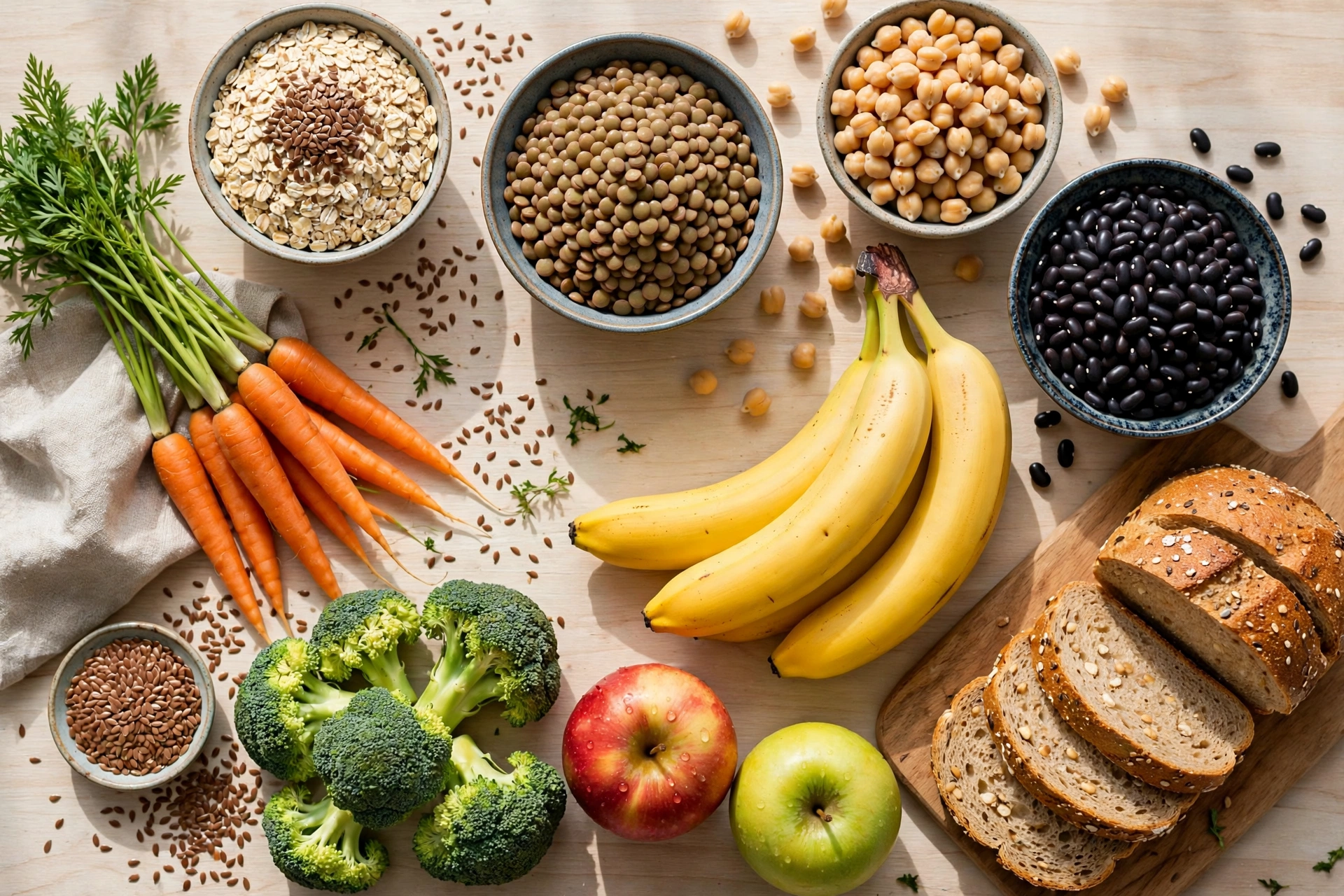
Achieving a balanced digestive system starts with the choices you make at every meal. By prioritizing consistent nutrition, you can support regular bowel movements and foster a diverse microbiome. Incorporating specific items into your routine is the most effective way to feel your best. gut health foods to eat daily This guide highlights practical options like fiber-rich plants, creamy yogurt, kefir, and fermented vegetables. We also emphasize the importance of hydrating produce. Soluble fiber works wonders by absorbing water, which helps everything move through your system with ease. Staying hydrated is just as vital as your fiber intake. When you combine these elements, you create a foundation for lasting comfort. We will explore simple meal combinations that make these gut health foods to eat daily approachable for your busy lifestyle in the United States. Key Takeaways Why Daily Food Choices Matter for Digestive Health Your daily food choices serve as the foundation for your long-term digestive health. By selecting nutrient-dense ingredients, you provide your body with the fuel it needs to function optimally. Consistency is key, as steady habits create a more stable environment for your internal systems compared to sudden, drastic dietary shifts. How the Gut Microbiome Supports Digestion The gut microbiome is a complex community of microorganisms living within your digestive tract. These tiny residents interact with the food components you consume, breaking down complex compounds that your body cannot digest on its own. This symbiotic relationship is essential for maintaining normal digestive processes and overall wellness. The Roles of Fiber, Fluids, and Beneficial Bacteria Fiber, fluids, and beneficial bacteria work in harmony to keep your system moving smoothly. Soluble fiber is particularly effective because it absorbs water, which helps soften stool and supports regular bowel movements. When you combine this with adequate hydration, you ensure that your digestive tract remains lubricated and efficient. Fiber Type Primary Function Best Sources Soluble Fiber Absorbs water for consistency Oats, beans, apples Insoluble Fiber Adds bulk to stool Whole grains, vegetables Prebiotic Fiber Feeds beneficial bacteria Garlic, onions, bananas How to Add Gut-Friendly Foods Without Causing Discomfort It is natural to want quick results, but adding high-fiber foods too rapidly can lead to unwanted gas or bloating. You should introduce these changes gradually to allow your gut microbiome time to adjust to the new intake. Starting with small portions helps your body adapt comfortably while you build a sustainable routine for better digestive health. …

Top Gut Health Foods to Eat Daily for BetterDigestion Read More
Ant Inflammatory  Foods List: Eat Better, Feel  Better

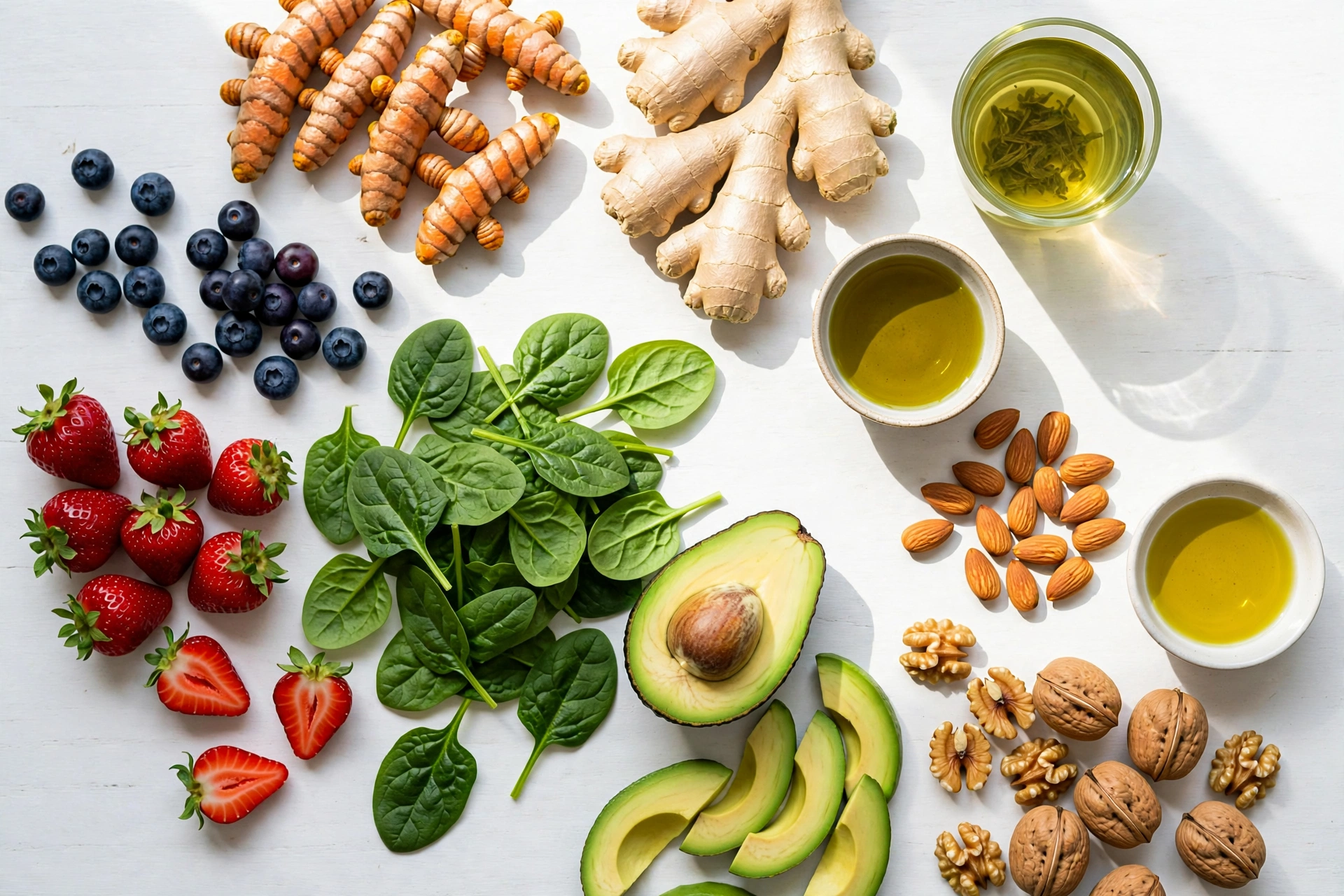
Adopting a vibrant, nutrient-dense diet is one of the most effective ways to support your long-term wellness. Our anti-inflammatory foods list serves as a practical roadmap for incorporating colorful, fiber-rich ingredients into your daily routine. By focusing on simple, everyday choices like fresh berries, leafy greens, fatty fish, and hearty whole grains, you can nourish your body from the inside out. These natural anti-inflammatory foods are not about following strict rules or restrictive habits. Instead, they encourage a flexible approach to eating that celebrates variety and flavor. anti-inflammatory foods list It is important to remember that while these dietary patterns support overall vitality, they are not a guaranteed medical treatment for chronic pain or specific conditions. We view these anti-inflammatory foods for health as a sustainable way to improve your energy and well-being through simple, delicious meals. Key Takeaways How Food Can Support a Lower-Inflammation Lifestyle Your plate holds more than just calories; it serves as a powerful tool for managing your body’s internal environment. By choosing the best anti-inflammatory foods, you can provide your system with the nutrients it needs to function at its peak. This approach is not about perfection, but rather about making consistent, positive changes to your daily habits. What inflammation does in the body Inflammation is a natural part of your immune system’s defense strategy. When you get a cut or catch a cold, your body triggers this process to protect and heal itself. This short-term response is essential for survival and recovery. However, problems arise when this process stays turned on for too long. Ongoing, low-level inflammation can linger in the body and contribute to various health concerns over time. Finding the right anti-inflammatory foods for inflammation helps your body maintain a healthy, balanced state. How colorful, fiber-rich foods support overall health Nature provides a vibrant array of produce that acts as fuel for your well-being. Colorful fruits and vegetables are packed with vitamins, minerals, and unique plant compounds that help neutralize stress in the body. These nutrients work together to support your immune system and keep your cells functioning smoothly. Fiber is another critical component of a healthy diet. It supports your digestive system and helps keep your blood sugar levels stable throughout the day. By filling your plate with diverse, fiber-rich plants, you provide your body with the building blocks for long-term vitality. Why an anti-inflammatory eating pattern matters more than one “superfood” It is tempting to look for a single “magic” ingredient to solve all your health problems. In reality, no single food can replace the benefits of a balanced, varied diet. Relying on one item ignores the synergistic effect of eating a wide range of whole foods. True wellness comes from a consistent pattern of eating. When you combine berries, leafy greens, legumes, and whole grains, you create a powerful defense system. This holistic approach ensures you get a broad spectrum of nutrients that work better together than any single food could on its own. What to expect for arthritis, everyday aches, and pain relief Many people hope that changing their diet will provide immediate relief from joint pain or everyday aches. While nutrition plays a vital role in managing discomfort, it is important to keep your expectations realistic. Dietary changes often work gradually to support your body’s natural healing processes. If you are dealing with persistent arthritis symptoms or chronic pain, please consult with a qualified healthcare professional. They can provide personalized guidance that complements your dietary efforts. Using the best anti-inflammatory foods is a wonderful way to support your general wellness, but it should always be part of a comprehensive health plan. Anti-Inflammatory Foods List: Best Choices to Add to Your Plate Building a plate filled with natural anti-inflammatory foods is a simple way to boost your daily wellness. Rather than looking for a single miracle ingredient, focus on creating a diverse eating pattern that supports your body from the inside out. These nutrient-dense options work best when combined consistently over time. natural anti-inflammatory foods Berries for polyphenols and natural sweetness Easy ways to enjoy blueberries, strawberries, raspberries, and blackberries Berries are among the top anti-inflammatory foods because they are packed with fiber and antioxidants called polyphenols. You can easily add them to your morning routine by tossing a handful into oatmeal or yogurt. They also make a perfect, refreshing snack on their own or blended into a smoothie. Fatty fish for omega-3 fats …

Ant Inflammatory  Foods List: Eat Better, Feel  Better Read More

Intermittent Fasting for Beginners Schedule Made Easy

Starting a new wellness journey often feels overwhelming, but finding a sustainable rhythm does not have to be difficult. This intermittent fasting guide helps you understand how to balance your eating windows with periods of rest. By focusing on simple timing, you can improve your health without feeling deprived. You will explore popular options like the 12:12, 14:10, and 16:8 methods. Each intermittent fasting for beginners schedule is designed to fit into your daily life naturally. We will show you how to pick a plan that works for your unique lifestyle. intermittent fasting for beginners schedule Success comes from consistency rather than choosing the most restrictive path right away. As you learn to plan satisfying meals, you will find that adjusting your routine becomes second nature. Let’s take the first step toward a healthier version of you today. Key Takeaways How an Intermittent Fasting for Beginners Schedule Works At its core, intermittent fasting is simply a shift in when you choose to eat. Rather than focusing on specific food groups, this approach emphasizes the timing of your meals to help your body function more efficiently. By following a structured intermittent fasting guide, you can easily transition into a routine that feels natural and sustainable. Fasting Windows and Eating Windows Every schedule is built around two distinct periods: the fasting window and the eating window. During the fasting window, you abstain from caloric intake to allow your body to rest and reset. When your eating window opens, you consume your daily nutrients within that set timeframe. Beginners often start with a 12:12 pattern, which is a gentle introduction to the process. As you become more comfortable, you might explore 14:10 or 16:8 patterns. There is no single “best” schedule; the right choice is the one that fits your lifestyle and helps you reach your personal goals. What You Can Have While Fasting One of the most common questions involves what you can consume during your fasting hours. To respect the intermittent fasting rules, it is best to stick to zero-calorie beverages. Water is your best friend, but you can also enjoy plain black coffee or unsweetened tea. These drinks help keep you hydrated without triggering an insulin response. Avoiding sweeteners or creamers is essential, as these additives can break your fast. Keeping your fasting window clean ensures you gain the full intermittent fasting benefits associated with this practice. How Meal Timing Supports Consistency Predictability is the secret to long-term success. When you align your eating window with your natural rhythm—such as your work schedule, family dinners, or social commitments—you are much more likely to stick with the plan. Consistency turns a temporary change into a healthy, lifelong habit. Try to keep your start and end times relatively stable throughout the week. If your schedule changes, simply adjust your windows to accommodate your day. Flexibility is key to ensuring that your new routine supports your life rather than complicating it. Choose the Right Intermittent Fasting Plan for Your Routine Selecting a sustainable plan is the secret to long-term success with intermittent fasting. Because everyone has different work hours and family commitments, your intermittent fasting plan should feel like a natural part of your day rather than a chore. By picking a method that aligns with your lifestyle, you are much more likely to stay consistent and see positive changes. intermittent fasting schedule for beginners Start With a Gentle 12:12 Schedule If you are new to this practice, the 12:12 method is a fantastic entry point. This intermittent fasting for beginners schedule involves fasting for twelve hours and eating during the remaining twelve hours of the day. It is very approachable because it often includes your natural sleeping hours, making the transition feel effortless. Move to a 14:10 Schedule When Ready …

Intermittent Fasting for Beginners Schedule Made Easy Read More

Easy High Protein Breakfast Ideas for  Weight Loss Today

Starting with the right fuel is essential for metabolic health and long term success. Many people need quick, healthy foods that keep them full until lunch. Nutrient-dense ingredients can help manage daily intake while adding delicious flavor. This guide covers seven simple categories for an easier routine. You will find creamy yogurt bowls, savory egg scrambles, convenient overnight oats, and hearty burritos. You will also discover quick toast, refreshing smoothies, and balanced morning bowls. Consistency is the secret to reaching your goals without spending hours in the kitchen. These high protein breakfast ideas for weight loss are simple, filling, and easy to prepare. Simplify your morning habits and create a positive tone for your day. Key Takeaways Why a High-Protein Breakfast Supports Weight Loss To feel energized and full until lunch, start with protein. While no meal guarantees fat loss, choosing healthy breakfast options can improve daily habits. Protein gives your body the building blocks it needs to work well. How Protein Helps You Feel Full Longer Protein can help you feel full longer. After a protein-rich meal, your body releases hormones that tell your brain you are full. This can naturally reduce the urge to snack on empty calories later in the morning. Greek yogurt and eggs can help steady your blood sugar. This may prevent mid-morning energy crashes that can lead to poor food choices. Feeling full longer can help you keep a steady calorie deficit. The Role of Protein in Preserving Lean Muscle Keeping lean muscle is vital for long-term weight management. Muscle tissue burns more calories at rest than fat tissue. During weight loss, your body may break down muscle for energy without enough protein. Eating enough protein helps protect your hard-earned muscle during a calorie deficit. This helps most lost weight come from fat stores, not muscle tissue. Protein also helps your metabolism work well as you reach your goals. How to Balance Protein With Fiber and Healthy Fats For truly nutritious breakfast ideas, pair protein with fiber and healthy fats. Fiber from fruits, vegetables, and whole grains slows digestion and adds volume. Together, these foods can control hunger for several hours. Healthy fats from nuts or seeds provide lasting energy and help absorb essential vitamins. Try cottage cheese with berries and chia seeds. This nutrient mix makes breakfast tasty and supports your health. Practical Breakfast Targets for Different Appetites People have different nutrition needs, so choose a balance that fits your lifestyle. With a smaller appetite, try Greek yogurt with berries. With a larger appetite, try a vegetable-packed egg scramble and whole-grain toast. These flexible combinations let you adjust portions to match your daily activity. These core food groups help you create varied meals for your weight loss journey. How to Build a Filling, Low-Calorie Breakfast Build a great morning meal by following a few simple rules. Choose high-volume, nutrient-dense foods for protein-rich breakfast recipes that fill you without using too many daily calories. Balance macronutrients to help keep your blood sugar steady throughout the morning. Choose a Lean Protein Base Begin with a high-quality protein source to support your metabolism. Egg whites, non-fat Greek yogurt, and cottage cheese provide amino acids for muscle maintenance and help keep total calories low. Add Fiber-Rich Fruits, Vegetables, or Whole Grains Fiber-rich foods add volume, which helps you feel full. Try spinach, bell peppers, berries, or steel-cut oats. They provide vitamins and minerals, slow digestion, and help you stay satisfied until your next meal. Use Measured Portions of Calorie-Dense Ingredients Healthy fats like nut butters, seeds, and oils offer benefits but contain many calories. Measure them instead of guessing to stay on track. A small serving adds richness without turning a healthy meal into a calorie bomb. Include Flavor Without Excess Sugar or Calories Added sugar is not needed for delicious food. Try cinnamon, fresh herbs, spicy salsa, or a squeeze of citrus for natural flavor. These simple swaps create low calorie breakfast ideas packed with flavor and excitement. Simple Portion Guide for Eggs, Yogurt, Oats, and Toppings …

Easy High Protein Breakfast Ideas for  Weight Loss Today Read More