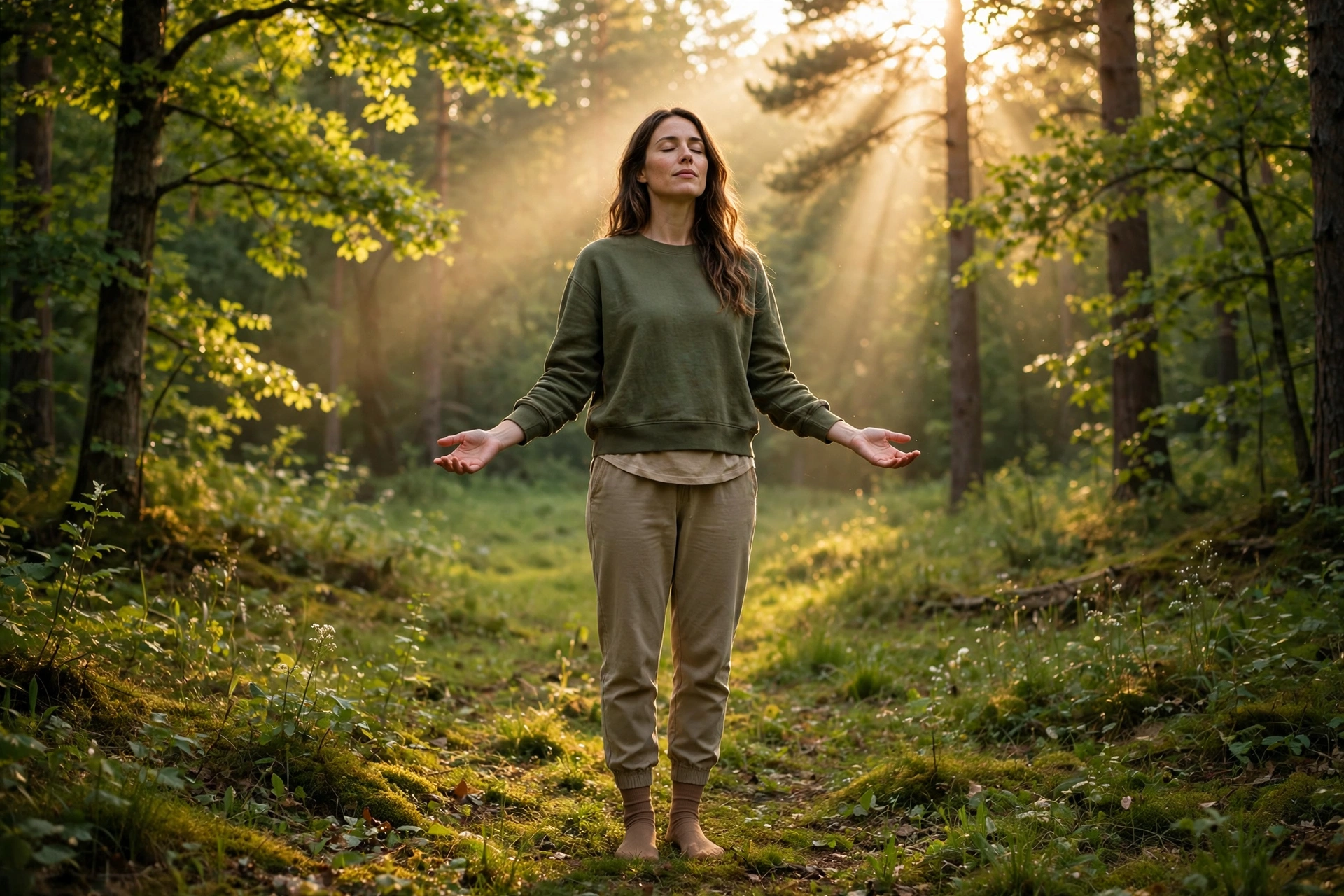
That racing heart, the tight chest, the thoughts that won’t stop spinning — anxiety is one of the most common mental health challenges in the world, affecting an estimated 300+ million people globally. While medication and therapy are important options for many, there’s a growing body of evidence that natural techniques can significantly calm an anxious mind.
Learning how to reduce anxiety naturally isn’t about eliminating stress from your life — that’s impossible. It’s about building a toolkit of simple, practical strategies that help your nervous system return to calm. Here are 10 techniques backed by research and real-world experience.
1. Practice Deep Breathing (The 4-7-8 Technique)
When anxiety hits, your breathing becomes shallow and rapid, which signals danger to your brain. Slow, controlled breathing reverses this. Try the 4-7-8 technique: breathe in through your nose for 4 seconds, hold for 7 seconds, and exhale slowly through your mouth for 8 seconds. Repeat 3–4 cycles.
Research suggests slow breathing activates the parasympathetic nervous system — your body’s “rest and digest” mode — and can lower heart rate and cortisol within minutes.
2. Try Mindfulness Meditation
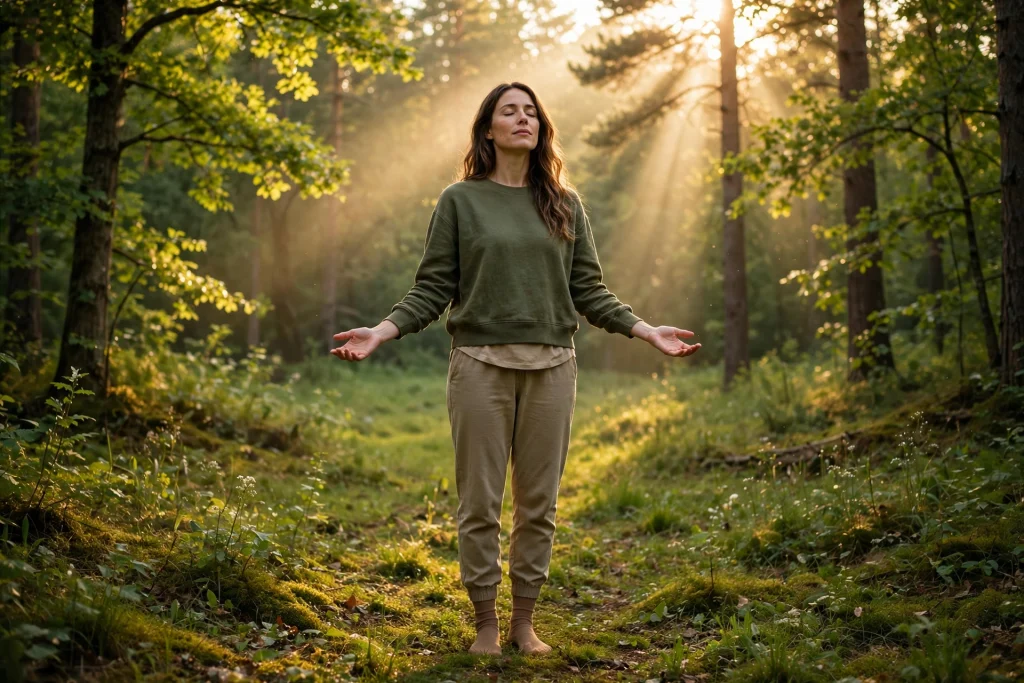
You don’t need to meditate for an hour. Even 10 minutes a day of mindfulness — simply sitting quietly and observing your breath and thoughts without judgment — has been linked to reduced anxiety in multiple studies.
Start small: sit comfortably, close your eyes, and focus on your breath. When your mind wanders (and it will), gently bring it back. That’s the whole practice.
3. Move Your Body Daily
Exercise is one of the most powerful natural anxiety reducers. Aerobic activity like walking, jogging, or cycling has been shown to reduce anxiety sensitivity, while the endorphins released during exercise act as natural mood lifters.
You don’t need an intense workout — a brisk 20–30 minute walk most days can make a noticeable difference. Many people find their anxious thoughts quiet down significantly after moving.

4. Get Enough Quality Sleep
Anxiety and poor sleep feed each other in a vicious cycle: anxiety disrupts sleep, and sleep deprivation heightens anxiety. Breaking the cycle starts with sleep hygiene:
- Keep a consistent bedtime, even on weekends
- Avoid screens for 30–60 minutes before bed
- Keep your bedroom cool, dark, and quiet
- Avoid caffeine in the afternoon and evening
Aim for 7–9 hours per night. If racing thoughts keep you up, try the 4-7-8 breathing technique from step 1.
5. Cut Back on Caffeine and Alcohol
That morning coffee might be fueling your anxiety. Caffeine stimulates the nervous system and can trigger or worsen symptoms like jitteriness, rapid heartbeat, and racing thoughts — especially in sensitive individuals.
Alcohol may feel calming in the moment, but it disrupts sleep and can rebound into heightened anxiety the next day. Try cutting back gradually and notice how you feel.
6. Journal Your Thoughts
Writing down what’s worrying you gets anxious thoughts out of your head and onto paper, where they often look smaller and more manageable. Try this simple practice:
- Brain dump: Write everything on your mind for 10 minutes without editing
- Worry time: Schedule 15 minutes daily to write about worries — outside that window, postpone them
- Gratitude list: End with 3 things you’re grateful for; this shifts your brain toward the positive

7. Spend Time in Nature
Time outdoors has a measurable calming effect. Studies on “forest bathing” (simply spending time among trees) show it can lower cortisol, blood pressure, and self-reported anxiety. Even a 20-minute walk in a park can shift your mental state.
Can’t get to nature? Even looking at images of natural scenes or keeping plants indoors has been associated with modest stress reduction.
8. Eat to Calm Your Mind
The gut-brain connection is real — what you eat affects how you feel. To support a calmer mind:
- Eat regular meals — blood sugar crashes can mimic anxiety symptoms
- Choose whole foods — vegetables, fruits, whole grains, and lean proteins
- Include omega-3s — fatty fish, walnuts, and flaxseeds are linked to better mood regulation
- Stay hydrated — even mild dehydration can affect mood and concentration
- Consider magnesium-rich foods — leafy greens, nuts, and dark chocolate; some research links magnesium to calmer nervous system function
9. Try Progressive Muscle Relaxation
This technique involves tensing and then releasing each muscle group in your body, one at a time. Start with your toes, squeeze for 5 seconds, then release and notice the difference. Work your way up to your head.
It teaches your body what relaxation actually feels like — something anxiety can make you forget — and many people find it especially helpful before sleep.
10. Connect With Others
Anxiety thrives in isolation. Talking to a trusted friend, joining a community, or even brief positive social interactions can ease anxious feelings. You don’t have to discuss your anxiety — just being around supportive people helps regulate your nervous system.
If social situations themselves cause anxiety, start small: a short phone call, a walk with one friend, or an online support community.
When to Seek Professional Help
Natural techniques are powerful, but they’re not a substitute for professional care. Reach out to a mental health professional if you experience:
- Anxiety that persists for weeks and doesn’t improve
- Panic attacks (sudden intense fear with physical symptoms)
- Anxiety that interferes with work, relationships, or daily life
- Avoiding places or activities because of fear
- Thoughts of harming yourself (seek help immediately)
Therapy — especially cognitive behavioral therapy (CBT) — is highly effective for anxiety, and there’s no shame in getting support.
Frequently Asked Questions
What is the fastest way to calm anxiety naturally?
Slow deep breathing (like the 4-7-8 technique) is one of the quickest natural methods — many people feel calmer within a few minutes. Cold water on your face or holding ice can also help reset your nervous system during acute anxiety (skip this if you have a heart condition).
Can anxiety go away without medication?
For mild to moderate anxiety, many people manage symptoms effectively with lifestyle changes, therapy, and natural techniques. However, moderate to severe anxiety often benefits from professional treatment, which may include medication. There’s no one-size-fits-all answer.
Which foods help reduce anxiety?
Foods rich in omega-3 fatty acids (salmon, walnuts), magnesium (spinach, almonds), and probiotics (yogurt, kefir) are associated with better mood regulation. Regular meals and limited caffeine and alcohol also help.
Does exercise really help anxiety?
Yes — regular aerobic exercise is one of the most evidence-supported natural anxiety reducers. Even a single 20-minute walk can ease symptoms, and consistent exercise over weeks shows stronger effects.
How long does it take for natural remedies to work?
Breathing techniques and muscle relaxation can help within minutes. Lifestyle changes like exercise, sleep, and meditation often show meaningful benefits within a few weeks of consistent practice, though timelines vary from person to person.
The Bottom Line
Learning how to reduce anxiety naturally gives you tools you can use anywhere, anytime — no prescription required. Start with one or two techniques that appeal to you, practice them consistently, and build from there.
Remember: seeking help is a sign of strength, not weakness. Natural techniques and professional support work beautifully together.