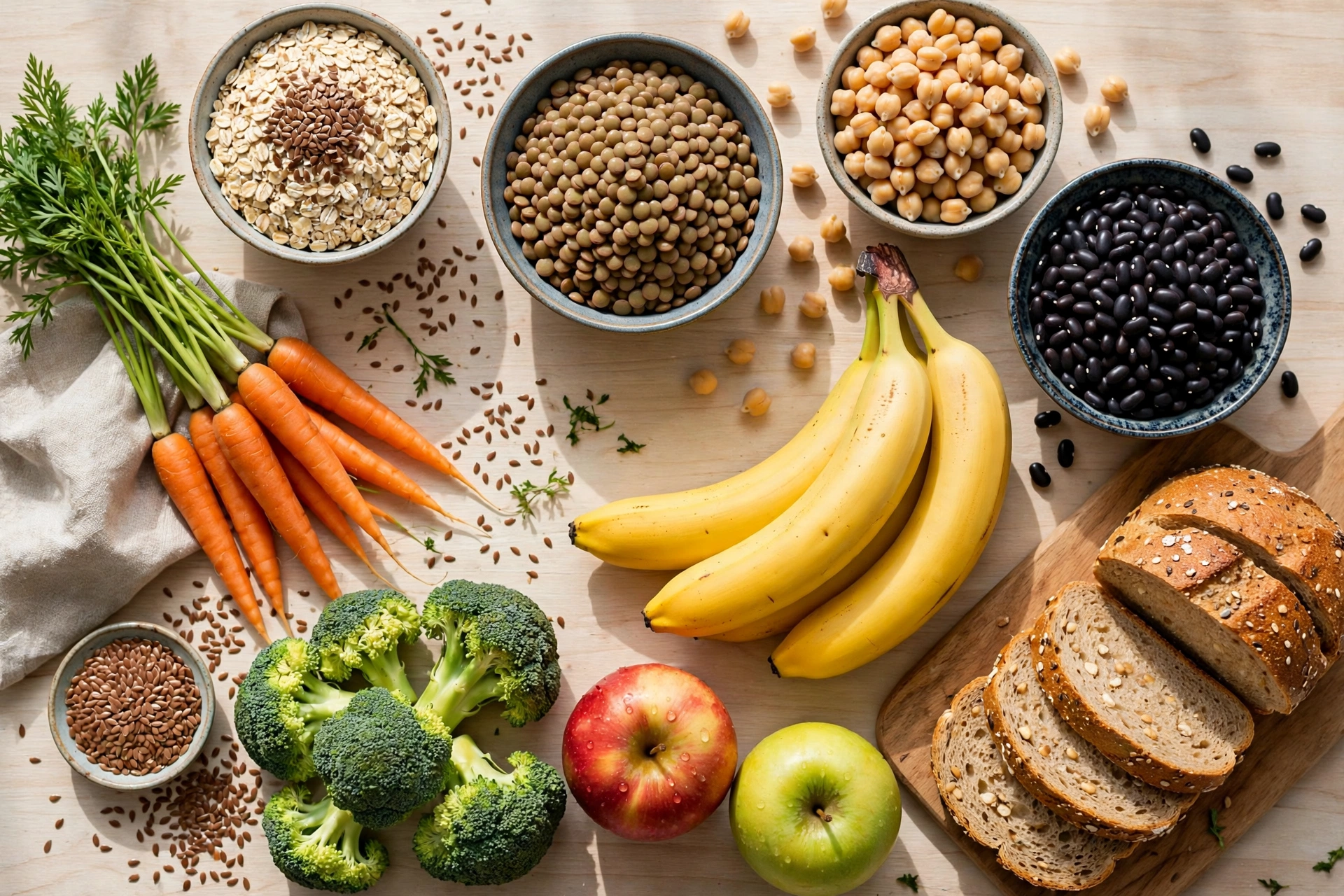
Achieving a balanced digestive system starts with the choices you make at every meal. By prioritizing consistent nutrition, you can support regular bowel movements and foster a diverse microbiome. Incorporating specific items into your routine is the most effective way to feel your best.
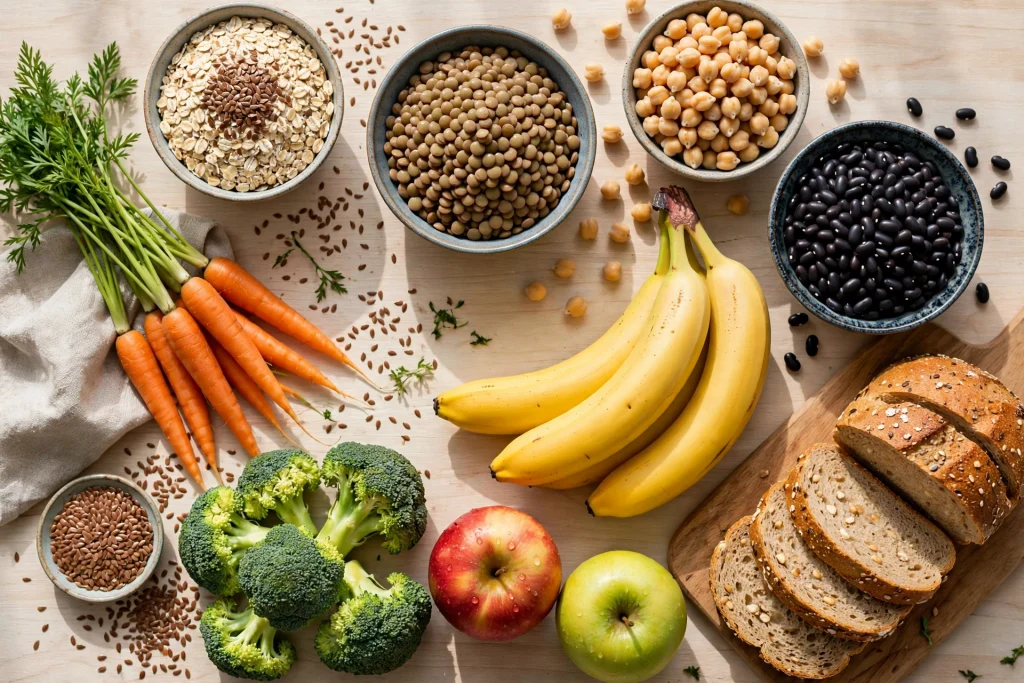
gut health foods to eat daily
This guide highlights practical options like fiber-rich plants, creamy yogurt, kefir, and fermented vegetables. We also emphasize the importance of hydrating produce. Soluble fiber works wonders by absorbing water, which helps everything move through your system with ease.
Staying hydrated is just as vital as your fiber intake. When you combine these elements, you create a foundation for lasting comfort. We will explore simple meal combinations that make these gut health foods to eat daily approachable for your busy lifestyle in the United States.
Key Takeaways
- Consistent nutrition promotes a diverse and resilient microbiome.
- Fiber-rich plants and fermented items are essential for digestive comfort.
- Soluble fiber requires adequate water intake to function properly.
- Hydrating produce supports smooth movement through the digestive tract.
- Simple meal combinations make healthy habits easy to maintain.
Why Daily Food Choices Matter for Digestive Health
Your daily food choices serve as the foundation for your long-term digestive health. By selecting nutrient-dense ingredients, you provide your body with the fuel it needs to function optimally. Consistency is key, as steady habits create a more stable environment for your internal systems compared to sudden, drastic dietary shifts.
How the Gut Microbiome Supports Digestion
The gut microbiome is a complex community of microorganisms living within your digestive tract. These tiny residents interact with the food components you consume, breaking down complex compounds that your body cannot digest on its own. This symbiotic relationship is essential for maintaining normal digestive processes and overall wellness.
The Roles of Fiber, Fluids, and Beneficial Bacteria
Fiber, fluids, and beneficial bacteria work in harmony to keep your system moving smoothly. Soluble fiber is particularly effective because it absorbs water, which helps soften stool and supports regular bowel movements. When you combine this with adequate hydration, you ensure that your digestive tract remains lubricated and efficient.
| Fiber Type | Primary Function | Best Sources |
| Soluble Fiber | Absorbs water for consistency | Oats, beans, apples |
| Insoluble Fiber | Adds bulk to stool | Whole grains, vegetables |
| Prebiotic Fiber | Feeds beneficial bacteria | Garlic, onions, bananas |
How to Add Gut-Friendly Foods Without Causing Discomfort
It is natural to want quick results, but adding high-fiber foods too rapidly can lead to unwanted gas or bloating. You should introduce these changes gradually to allow your gut microbiome time to adjust to the new intake. Starting with small portions helps your body adapt comfortably while you build a sustainable routine for better digestive health.
Gut Health Foods to Eat Daily for Better Digestion
Achieving optimal wellness often begins with the probiotic foods you choose to eat each day. By focusing on nutrient-dense ingredients, you provide your system with the tools it needs to thrive. These simple additions can make a world of difference in your daily comfort.
Edit
Delete
Plain Yogurt With Live and Active Cultures
Plain yogurt is a staple for anyone looking to improve their internal balance. It is packed with beneficial bacteria that support a healthy environment in your digestive tract.
Best ways to serve yogurt
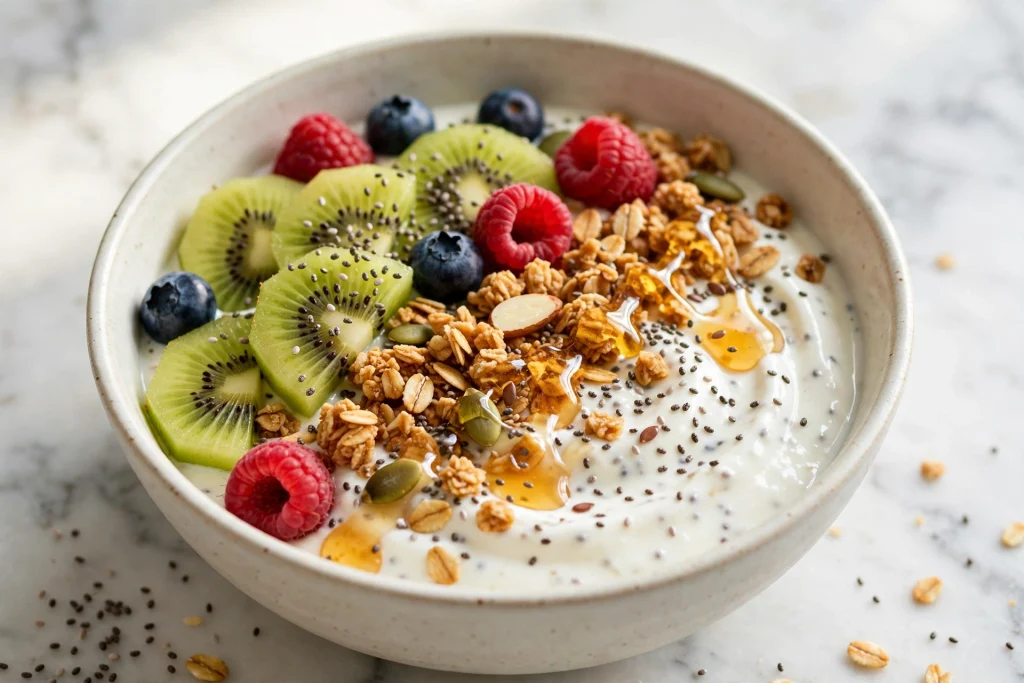
You can easily incorporate yogurt into your morning routine by creating a balanced breakfast bowl. Top it with fresh fruit, a sprinkle of nuts, or a drizzle of honey for added flavor. It also works perfectly as a creamy base for smoothies or as a healthy substitute for sour cream in savory dishes.
Kefir for a Wider Variety of Probiotic Cultures
Kefir is a fermented drink that offers an even broader spectrum of microbes than standard yogurt. This tangy beverage is an excellent way to introduce more diversity to your microbiome.
What to look for on the label
When shopping, always check the label to ensure the product contains live and active cultures. Avoid options with added sugars or artificial flavors, as these can counteract the positive effects of the probiotic foods you are consuming.
“A healthy gut is the cornerstone of overall vitality, and fermented foods are the most natural way to nourish that internal ecosystem.”
— Nutritionist Perspective
Oats for Soluble Fiber and Steady Digestion
Oats are a fantastic source of soluble fiber, which helps keep your digestion moving smoothly. They act as a gentle cleanser for your system, promoting regularity throughout the day.
Chia and Ground Flaxseed for Fiber and Healthy Fats
These tiny seeds are nutritional powerhouses that provide both fiber and essential healthy fats. Because they absorb a significant amount of liquid, it is vital to drink plenty of water when adding them to your diet.
Kiwi, Berries, and Apples for Digestive-Friendly Fiber
Fresh fruit provides the natural fiber necessary to feed your beneficial bacteria. Incorporating these fruits into your snacks ensures you get a variety of vitamins alongside your fiber intake.
| Food Item | Primary Benefit | Serving Suggestion |
| Plain Yogurt | Probiotic support | Breakfast bowls |
| Kefir | Microbial diversity | Smoothie base |
| Chia Seeds | Fiber and fats | Overnight oats |
| Fresh Berries | Digestive fiber | Snack pairings |
By consistently choosing these gut health foods to eat daily, you create a sustainable path toward better digestion. Start small, stay hydrated, and enjoy the process of nourishing your body from the inside out.
Fiber-Rich Plant Foods That Keep Digestion Moving
Eating a diverse range of plants is the secret to keeping your digestion moving smoothly every day. By focusing on fiber-rich foods, you provide your body with the necessary tools to maintain regular bowel movements and a happy gut environment.
Beans and Lentils for Fiber and Resistant Starch
Legumes are nutritional powerhouses that offer a unique type of fiber known as resistant starch. This starch passes through the small intestine undigested, eventually reaching the colon where it serves as fuel for beneficial microorganisms.
How to increase portions gradually
If your body is not used to high fiber intake, it is best to start slowly. A sudden increase in beans and lentils can sometimes lead to temporary gas or bloating as your system adjusts. Try adding just a small spoonful to your meals and gradually increase the amount over several weeks to allow your gut bacteria to adapt comfortably.
Leafy Greens and Cruciferous Vegetables
Leafy greens like spinach, kale, and Swiss chard are essential for digestive health. They provide insoluble fiber, which adds bulk to your stool and helps move waste through the digestive tract more efficiently.
Cruciferous vegetables such as broccoli and cauliflower also contribute to this process. These vegetables are packed with vitamins and minerals that support overall wellness while keeping your digestion on track.
Sweet Potatoes and Whole Grains
Sweet potatoes are an excellent source of both soluble and insoluble fiber. They are gentle on the stomach and provide a steady release of energy throughout the day.
Incorporating whole grains like quinoa, brown rice, or oats into your diet further enhances your fiber intake. These complex carbohydrates support a healthy gut lining and help maintain consistent digestion.
Avocado for Fiber and Satisfying Healthy Fats
Avocados are a fantastic addition to any meal because they offer a combination of fiber and healthy fats. These fats help lubricate the digestive system, making it easier for fiber to do its job effectively.
Simple serving ideas for meals and snacks
Integrating these nutrient-dense foods into your daily routine does not have to be complicated. Here are a few easy ways to boost your intake:
- Lentil soups: A hearty base for a fiber-packed lunch.
- Grain bowls: Combine quinoa with roasted vegetables and a scoop of beans.
- Avocado toast: Top whole-grain bread with mashed avocado for a satisfying snack.
- Bean-based salads: Mix chickpeas or black beans with fresh greens for a quick dinner side.
Probiotic Foods That Add Beneficial Bacteria
Exploring the world of live cultures through your diet is both delicious and highly beneficial for your digestive system. These probiotic foods act as natural powerhouses, introducing diverse strains of beneficial bacteria to your gut microbiome. By regularly consuming these items, you can help maintain a balanced and resilient internal environment.
probiotic foods and fermented foods
Kimchi and Sauerkraut
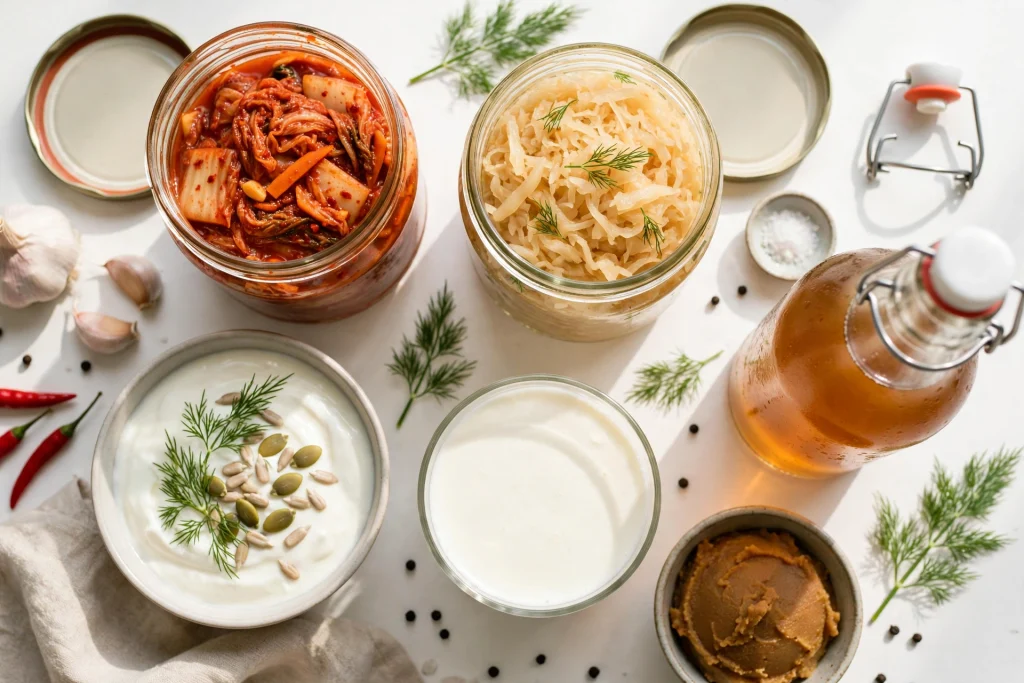
Kimchi and sauerkraut are perhaps the most recognizable fermented foods available today. These vegetables undergo a natural process where sugars are converted into lactic acid, which preserves the food and creates a tangy flavor profile.
Choosing refrigerated, unpasteurized options
When shopping, always check the label for live cultures. It is essential to select products found in the refrigerated section that are labeled as unpasteurized. Heat treatment, often used for shelf-stable jars, kills the very microorganisms that provide the health benefits you are seeking.
Miso and Tempeh
Miso is a traditional Japanese paste made from fermented soybeans, salt, and koji. It adds a deep, savory umami flavor to soups and dressings without requiring much effort. Similarly, tempeh is a firm, nutty soy product that serves as an excellent plant-based protein source. Both are fantastic ways to incorporate beneficial bacteria into your main meals.
Pickles and Other Fermented Vegetables
While many store-bought pickles are simply cucumbers soaked in vinegar, true fermented pickles rely on salt brine to develop their crunch and probiotic content. Look for artisanal brands that list salt and water as the primary ingredients rather than vinegar. These traditional pickles, along with fermented carrots or beets, offer a refreshing crunch that supports your digestive health.
How to Include Fermented Foods in Small Daily Servings
Because these foods can be quite salty or acidic, it is best to start with small daily servings. Your digestive system may need time to adjust to the introduction of new probiotic foods. You can easily integrate them into your routine by adding a spoonful of sauerkraut to your grain bowls or mixing miso into a warm bowl of soup. Tempeh works beautifully in stir-fries, while a small side of kimchi pairs perfectly with rice or morning eggs.
| Food Item | Primary Benefit | Best Serving Method |
| Sauerkraut | High in fiber and probiotics | Topping for grain bowls |
| Miso | Rich in enzymes | Base for savory soups |
| Tempeh | Protein and gut support | Stir-fried with vegetables |
| Kimchi | Spicy, diverse cultures | Side dish with rice |
Prebiotic Foods That Nourish the Gut Microbiome
Prebiotic foods act as a specialized fertilizer for the beneficial microbes living in your digestive tract. These unique fibers and carbohydrates pass through your system undigested, providing the necessary fuel for your gut microbiome to thrive.
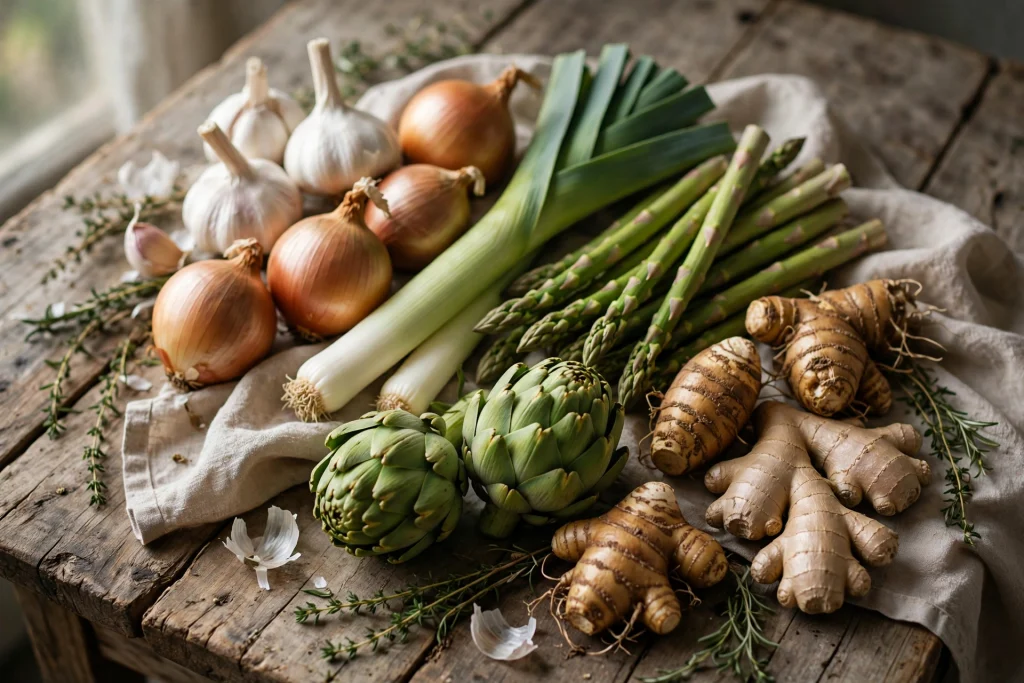
Garlic, Onions, and Leeks
These aromatic vegetables are some of the most potent sources of inulin, a type of fiber that feeds healthy bacteria. Including them in your daily meals helps maintain a diverse and resilient internal environment.
While they are excellent for health, some people find that raw alliums cause gas or bloating. If you have a sensitive stomach, you can still enjoy these benefits by cooking them thoroughly to soften their fibers.
Asparagus, Green Bananas, and Jerusalem Artichokes
Asparagus and Jerusalem artichokes are packed with natural compounds that support digestive regularity. Similarly, green bananas are a fantastic source of resistant starch, which acts as a prebiotic as it moves through the colon.
It is important to note that the ripeness of a banana changes its nutritional profile. A greener banana contains more resistant starch than a fully yellow or spotted one, making it a superior choice for gut health.
How Prebiotics Support Probiotic Foods
Think of prebiotics as the foundation and probiotics as the building blocks. When you consume prebiotic foods alongside fermented items, you create a synergistic effect that helps beneficial bacteria colonize more effectively.
“The health of the gut is the cornerstone of overall well-being, and feeding your microbiome the right fibers is the first step toward vitality.”
Gentler preparation methods for sensitive digestion
If you experience discomfort from high-fiber vegetables, try peeling them or blending them into soups. Cooking these foods breaks down complex structures, making them much easier for your body to process.
You can also start with smaller portions to allow your system to adjust gradually. Consistency is far more important than quantity when you are first introducing these nutrient-dense plants into your diet.
Hydrating Foods and Healthy Fats for Smoother Digestion
A truly effective gut healing diet relies on the synergy between fluid intake and nutrient-dense fats. While fiber is essential for regularity, it cannot function at its best without adequate moisture. By focusing on these two pillars, you can support your body’s natural processes and maintain comfort throughout the day.
Water-Rich Fruits and Vegetables
Incorporating water-rich foods into your meals is an effortless way to boost your daily fluid intake. Items like cucumbers, oranges, melons, and tomatoes are packed with water and essential vitamins. Leafy greens also provide a refreshing crunch while contributing to your overall hydration levels.
water-rich foods
Extra-Virgin Olive Oil, Nuts, and Seeds
Healthy fats play a vital role in keeping your digestive tract lubricated and satisfied. Extra-virgin olive oil is a fantastic source of monounsaturated fats that can be drizzled over salads or cooked vegetables. Similarly, adding a handful of nuts or seeds provides a boost of energy and essential fatty acids that complement a balanced meal.
Why Hydration Helps Fiber Work Effectively
Proper hydration for digestion is critical because fiber acts like a sponge within your system. When you consume enough fluids, fiber absorbs the water and softens, allowing it to move through the digestive tract with ease. Without sufficient water, fiber can become stagnant, which may lead to discomfort rather than relief.
Daily habits that make hydration easier
Building consistent habits is the key to maintaining hydration for digestion without feeling overwhelmed. Try keeping a reusable water bottle nearby or starting your morning with a glass of water before your coffee. You can also prioritize snacks that have a high water content to keep your levels steady throughout the afternoon.
| Food Item | Primary Benefit | Hydration Level |
| Cucumber | High water content | Very High |
| Extra-virgin olive oil | Healthy fats | Low |
| Watermelon | Electrolytes | Very High |
| Chia seeds | Fiber absorption | Moderate |
Remember that these dietary choices are supportive elements of a gut healing diet. They are meant to enhance your overall well-being rather than serve as a replacement for professional medical care. Small, consistent changes often yield the most sustainable results for your digestive health.
Easy Gut Health Recipes and Daily Meal Combinations
Building a healthy gut starts with simple, delicious food combinations that nourish your body. By focusing on gut health recipes that balance probiotics and fiber, you can make digestion feel effortless. Small, consistent changes to your plate often lead to the best long-term results.
A Fiber-Rich Breakfast Bowl
Yogurt, oats, berries, chia seeds, and ground flaxseed
Start your morning with a powerful combination of probiotics and soluble fiber. Mixing plain yogurt or kefir with rolled oats creates a creamy base that supports your microbiome. Adding berries, chia seeds, and ground flaxseed provides essential antioxidants and healthy fats to keep you satisfied.
A Balanced Lunch With Whole Grains and Fermented Vegetables
Lentil or grain bowls with greens, avocado, and sauerkraut
Lunch is the perfect time to incorporate fermented foods into your routine. A bowl featuring lentils or quinoa topped with fresh greens and creamy avocado offers a great texture contrast. Adding a scoop of sauerkraut provides a tangy boost of beneficial bacteria that aids your digestion throughout the afternoon.
A Digestion-Friendly Dinner Plate
Lean protein, roasted vegetables, beans, and olive oil
For dinner, aim for fiber-rich meals that are easy on the stomach. Combine a lean protein source with roasted root vegetables and a side of beans for a hearty, nutrient-dense experience. Drizzling extra-virgin olive oil over your plate adds healthy fats that help your body absorb nutrients more effectively.
Snack Ideas for a Gut-Friendly Diet
Kiwi, apples with nut butter, kefir, and hummus with vegetables
When hunger strikes between meals, choose snacks that support a gut-friendly diet. Sliced apples with almond butter or a small cup of kefir are excellent choices. You can also enjoy hummus with raw vegetable sticks for an extra dose of plant-based fiber.
How to Build Variety Across the Week
Rotating your ingredients ensures you get a wide range of nutrients for your microbiome. Try to swap your grains or legumes every few days to keep your gut bacteria diverse and resilient. Gradual changes to your portion sizes will help your system adjust comfortably to higher fiber intake.
| Meal Type | Key Ingredients | Digestive Benefit |
| Breakfast | Kefir, Oats, Chia | Probiotics & Fiber |
| Lunch | Lentils, Sauerkraut | Fermented Nutrients |
| Dinner | Beans, Olive Oil | Healthy Fats & Bulk |
| Snack | Kiwi, Hummus | Enzymes & Prebiotics |
Conclusion
Improving your digestive health starts with small, consistent choices. You can transform your daily digestion habits by incorporating fiber-rich plants, probiotic foods, and healthy fats into your meals.
Focus on variety to keep your microbiome thriving. Yogurt, oats, beans, and fermented vegetables like those from Wildbrine offer simple ways to nourish your system. Start with smaller servings to allow your body time to adjust to these nutrient-dense additions.
A gut-friendly diet works best when you prioritize hydration and patience. Gradual changes create a sustainable routine that supports long-term comfort. This approach helps you build a balanced plate that feels good every single day.
A gut healing diet serves as a powerful tool for wellness. Seek guidance from a qualified healthcare professional if you experience persistent pain, bleeding, or unexplained weight loss. These symptoms require expert medical attention beyond simple dietary adjustments. Listen to your body and enjoy the process of fueling your health with real, whole foods.
FAQ
What are the best gut health foods to eat daily to improve digestion?
To maintain a healthy and diverse gut microbiome, it is ideal to focus on a mix of probiotic foods and high-fiber plants. Daily staples should include Plain Yogurt (like Chobani or Siggi’s) with live and active cultures, Lifeway Kefir, and fiber-rich plant foods such as Bob’s Red Mill rolled oats, chia seeds, and leafy greens. These foods provide the necessary beneficial bacteria and the fiber needed to keep your digestive health on track.
How do prebiotic foods and probiotic foods work together in a gut-friendly diet?
Think of probiotic foods as the living, beneficial bacteria you add to your system, and prebiotic foods as the fuel that nourishes them. Foods like garlic, onions, leeks, and asparagus contain prebiotic fibers that help your microbiome thrive. When you combine them—for example, by topping your yogurt with fiber-rich berries or adding Wildbrine sauerkraut to a grain bowl—you are creating a more effective environment for a gut healing diet.
Why is it important to increase fiber intake gradually for digestive health?
While a gut-friendly diet relies heavily on fiber from beans, lentils, and cruciferous vegetables, a sudden increase can lead to temporary gas or bloating. It is best to increase your portions of legumes and whole grains slowly over several weeks. This allows your gut microbiome to adapt to the higher volume of resistant starch and fiber, ensuring a more comfortable transition toward regular digestion.
Which fermented foods should I look for at the grocery store?
When shopping for fermented foods, look for refrigerated options labeled “unpasteurized” or “contains live and active cultures.” Brands like Cleveland Kitchen sauerkraut or Mother In Law’s Kimchi are excellent choices because they haven’t been heat-treated, which preserves the living microorganisms. Incorporating small daily servings of these, alongside miso or tempeh, can significantly support your beneficial bacteria levels.
Can you suggest some simple gut health recipes for a busy schedule?
One of the easiest gut health recipes is a morning fiber bowl: mix Chobani plain yogurt with Bob’s Red Mill ground flaxseeds, chia seeds, and fresh raspberries. For lunch, try a “gut-health power bowl” featuring quinoa, roasted sweet potatoes, avocado, and a spoonful of refrigerated sauerkraut. These combinations provide a balance of soluble fiber, healthy fats, and probiotics that support digestive health throughout the day.
How does hydration impact a gut healing diet?
Hydration is essential because soluble fiber (found in oats and apples) absorbs water to create a gel-like consistency, which helps waste move smoothly through the digestive tract. Eating water-rich produce like cucumbers and oranges, alongside drinking plenty of fluids, ensures that the fiber in your gut health foods to eat daily can do its job effectively without causing discomfort.
Are there specific fruits that are better for the gut microbiome?
Yes! Kiwi, berries, and apples are particularly digestive-friendly because they offer a great balance of fiber and vitamins. Additionally, green bananas are an excellent source of resistant starch, a type of prebiotic that passes through the small intestine and ferments in the large intestine, feeding the beneficial bacteria in your colon.