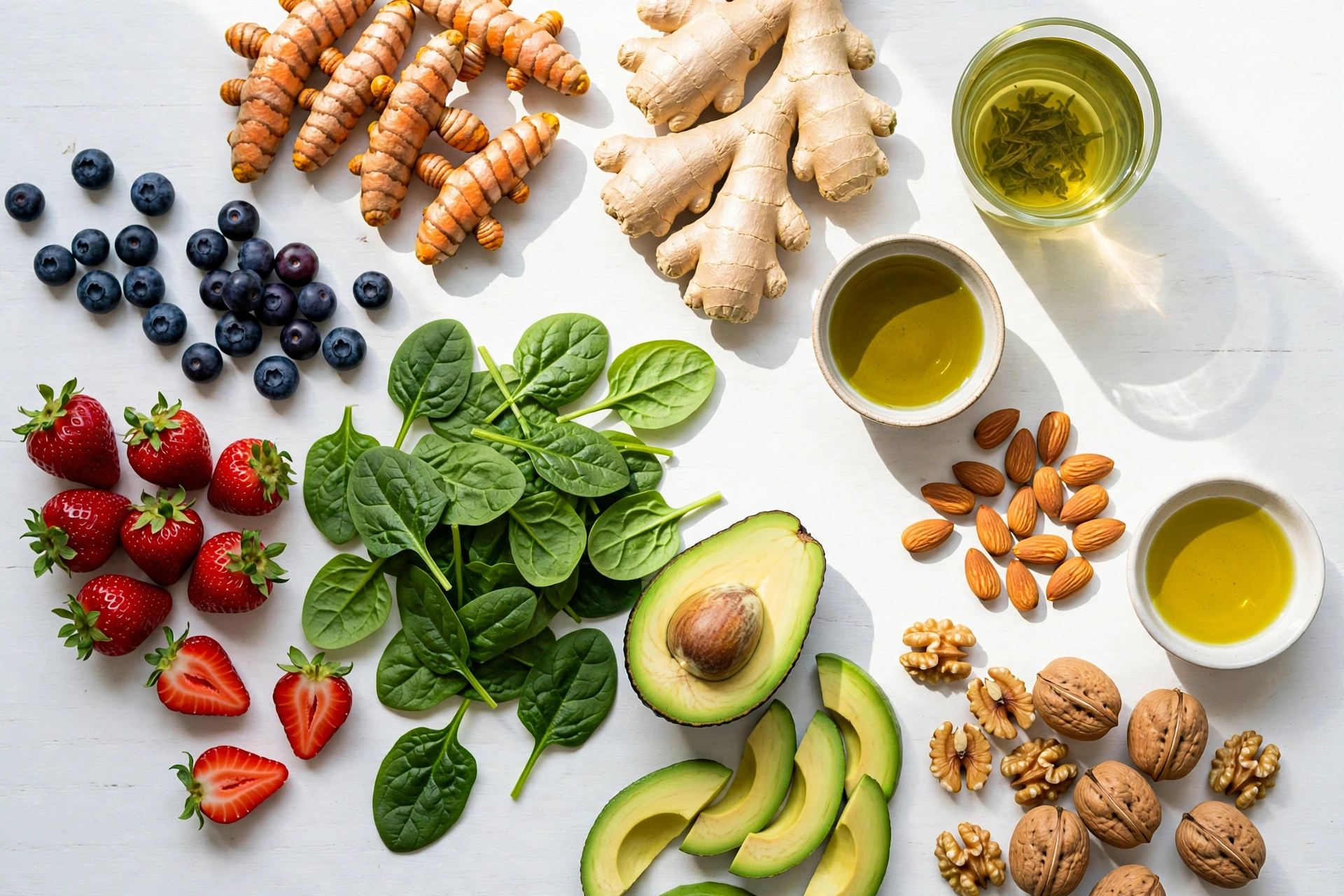
Adopting a vibrant, nutrient-dense diet is one of the most effective ways to support your long-term wellness. Our anti-inflammatory foods list serves as a practical roadmap for incorporating colorful, fiber-rich ingredients into your daily routine.
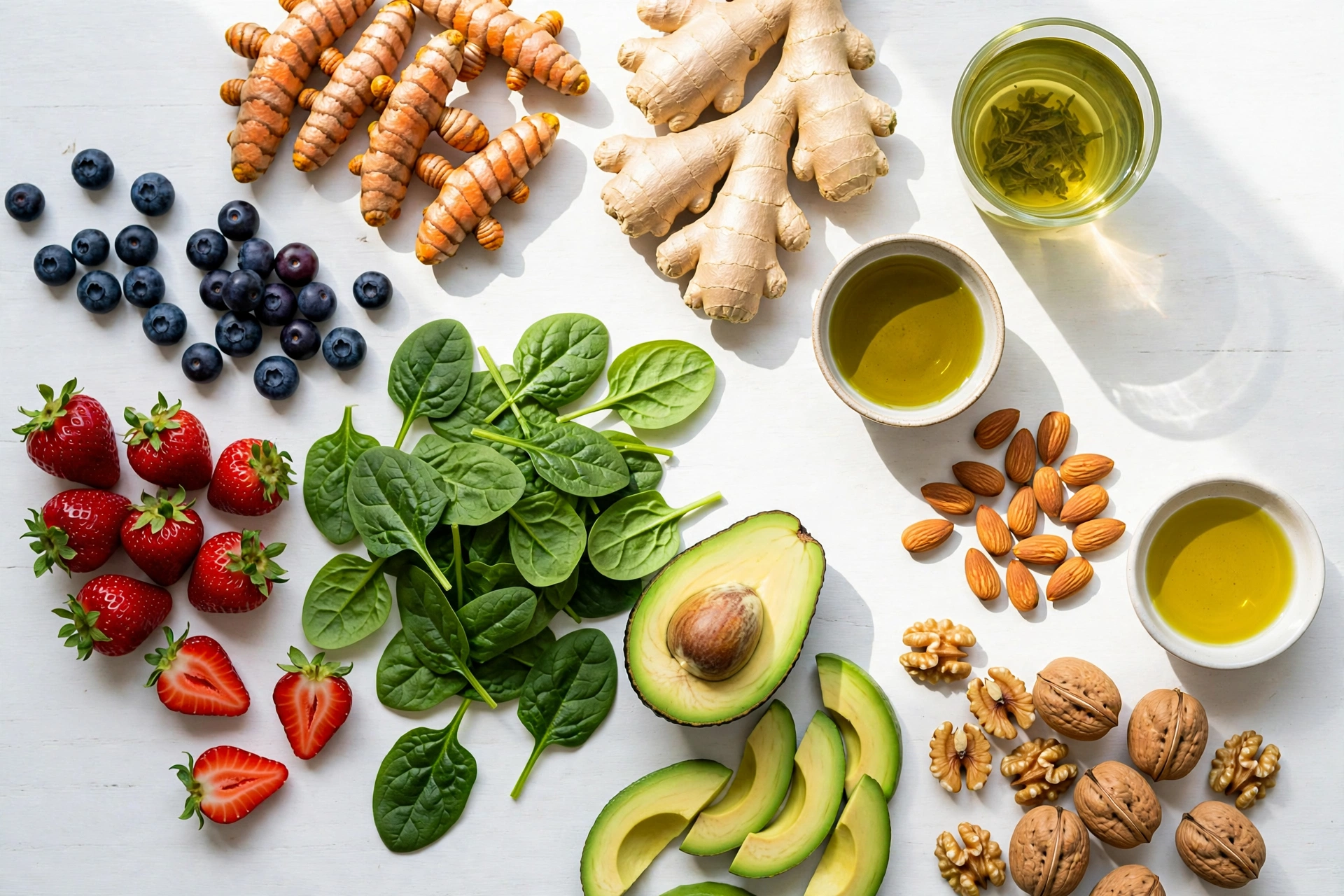
By focusing on simple, everyday choices like fresh berries, leafy greens, fatty fish, and hearty whole grains, you can nourish your body from the inside out. These natural anti-inflammatory foods are not about following strict rules or restrictive habits. Instead, they encourage a flexible approach to eating that celebrates variety and flavor.
anti-inflammatory foods list
It is important to remember that while these dietary patterns support overall vitality, they are not a guaranteed medical treatment for chronic pain or specific conditions. We view these anti-inflammatory foods for health as a sustainable way to improve your energy and well-being through simple, delicious meals.
Key Takeaways
- Focus on adding colorful, fiber-rich produce to every meal.
- Prioritize healthy fats found in fish, nuts, and seeds.
- Choose whole grains over processed alternatives for better energy.
- Remember that diet is a tool for wellness, not a medical cure.
- Embrace flexible, sustainable habits rather than restrictive dieting.
How Food Can Support a Lower-Inflammation Lifestyle
Your plate holds more than just calories; it serves as a powerful tool for managing your body’s internal environment. By choosing the best anti-inflammatory foods, you can provide your system with the nutrients it needs to function at its peak. This approach is not about perfection, but rather about making consistent, positive changes to your daily habits.
What inflammation does in the body
Inflammation is a natural part of your immune system’s defense strategy. When you get a cut or catch a cold, your body triggers this process to protect and heal itself. This short-term response is essential for survival and recovery.
However, problems arise when this process stays turned on for too long. Ongoing, low-level inflammation can linger in the body and contribute to various health concerns over time. Finding the right anti-inflammatory foods for inflammation helps your body maintain a healthy, balanced state.
How colorful, fiber-rich foods support overall health
Nature provides a vibrant array of produce that acts as fuel for your well-being. Colorful fruits and vegetables are packed with vitamins, minerals, and unique plant compounds that help neutralize stress in the body. These nutrients work together to support your immune system and keep your cells functioning smoothly.
Fiber is another critical component of a healthy diet. It supports your digestive system and helps keep your blood sugar levels stable throughout the day. By filling your plate with diverse, fiber-rich plants, you provide your body with the building blocks for long-term vitality.
Why an anti-inflammatory eating pattern matters more than one “superfood”
It is tempting to look for a single “magic” ingredient to solve all your health problems. In reality, no single food can replace the benefits of a balanced, varied diet. Relying on one item ignores the synergistic effect of eating a wide range of whole foods.
True wellness comes from a consistent pattern of eating. When you combine berries, leafy greens, legumes, and whole grains, you create a powerful defense system. This holistic approach ensures you get a broad spectrum of nutrients that work better together than any single food could on its own.
What to expect for arthritis, everyday aches, and pain relief
Many people hope that changing their diet will provide immediate relief from joint pain or everyday aches. While nutrition plays a vital role in managing discomfort, it is important to keep your expectations realistic. Dietary changes often work gradually to support your body’s natural healing processes.
If you are dealing with persistent arthritis symptoms or chronic pain, please consult with a qualified healthcare professional. They can provide personalized guidance that complements your dietary efforts. Using the best anti-inflammatory foods is a wonderful way to support your general wellness, but it should always be part of a comprehensive health plan.
Anti-Inflammatory Foods List: Best Choices to Add to Your Plate
Building a plate filled with natural anti-inflammatory foods is a simple way to boost your daily wellness. Rather than looking for a single miracle ingredient, focus on creating a diverse eating pattern that supports your body from the inside out. These nutrient-dense options work best when combined consistently over time.
natural anti-inflammatory foods
Berries for polyphenols and natural sweetness
Easy ways to enjoy blueberries, strawberries, raspberries, and blackberries
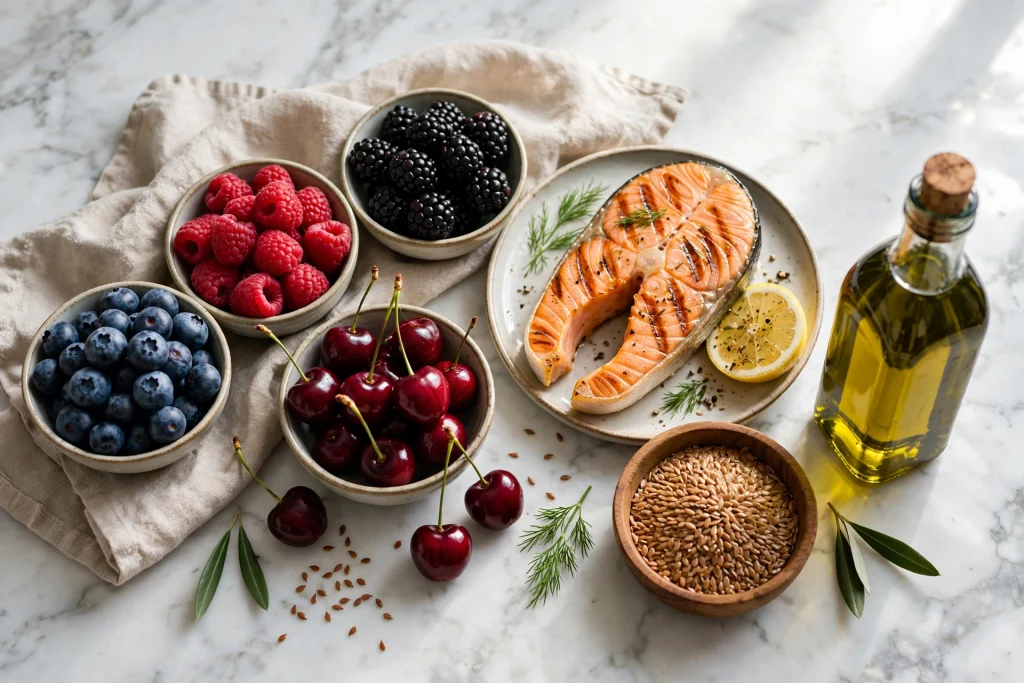
Berries are among the top anti-inflammatory foods because they are packed with fiber and antioxidants called polyphenols. You can easily add them to your morning routine by tossing a handful into oatmeal or yogurt. They also make a perfect, refreshing snack on their own or blended into a smoothie.

Fatty fish for omega-3 fats
How salmon, sardines, trout, and mackerel fit into balanced meals
Fatty fish provide essential omega-3 fatty acids that help calm the body. Aim to include these fish in your weekly meal plan at least twice. You can bake salmon with lemon, grill trout, or add canned sardines to a fresh garden salad for a quick protein boost.
Leafy greens and cruciferous vegetables
Simple preparations for spinach, kale, broccoli, and Brussels sprouts
Dark, leafy greens and crunchy cruciferous vegetables are staples for a healthy lifestyle. Steaming or lightly sautéing these vegetables helps retain their vital nutrients while making them easier to digest. Try adding a handful of spinach to your morning eggs or roasting broccoli with a touch of garlic.
Extra-virgin olive oil and other beneficial fats
Using olive oil, avocado, and olives in everyday cooking
Healthy fats are essential for absorbing vitamins and supporting overall health. Extra-virgin olive oil is a fantastic base for homemade salad dressings or light sautéing. You can also slice fresh avocado onto toast or add olives to grain bowls for extra flavor and texture.
Nuts and seeds for fiber, minerals, and healthy fats
Practical portions of walnuts, almonds, chia seeds, and flaxseeds
Nuts and seeds offer a satisfying crunch along with heart-healthy fats and fiber. A small handful of walnuts or almonds makes an excellent afternoon snack. You can also sprinkle chia seeds or ground flaxseeds over your cereal to increase your daily nutrient intake.
Beans, lentils, and whole grains
Choosing fiber-rich anti-inflammatory diet foods such as oats, quinoa, and chickpeas
Fiber is a key component of anti-inflammatory diet foods that keep your digestion running smoothly. Oats are a classic choice for a hearty breakfast, while quinoa serves as a versatile base for lunch bowls. Chickpeas can be roasted for a crunchy snack or added to soups for extra substance.
Herbs and spices with antioxidant compounds
Adding turmeric, ginger, garlic, cinnamon, and herbs to meals
Using herbs and spices is a flavorful way to incorporate anti-inflammatory foods for arthritis management into your cooking. Turmeric and ginger add warmth to curries and teas, while garlic enhances almost any savory dish. Fresh herbs like parsley or cilantro can brighten up your plate without adding extra salt.
Green tea and unsweetened beverages
Making hydration support an anti-inflammatory eating pattern
Staying hydrated is vital for your body to function at its best. Green tea is a wonderful choice because it contains unique compounds that support your health. Swap out sugary sodas for unsweetened tea or water infused with fresh fruit slices.
Fermented foods for variety and gut-friendly eating
Including plain yogurt, kefir, sauerkraut, and kimchi appropriately
A healthy gut is closely linked to how your body manages inflammation. Fermented foods like plain yogurt and kefir provide beneficial probiotics that support your digestive system. You can also add a small spoonful of sauerkraut or kimchi to your meals for a tangy, gut-friendly kick.
How to Build an Anti-Inflammatory Day of Meals
Building a sustainable eating pattern starts with understanding how to combine the right ingredients throughout your day. By focusing on an anti-inflammatory foods list, you can create meals that provide lasting energy and support your body’s natural processes. Consistency is the key to long-term success rather than seeking a single miracle cure.
A balanced breakfast with fiber and protein
Start your morning with a combination of fiber and protein to stabilize your blood sugar. A bowl of steel-cut oats topped with fresh berries and a sprinkle of walnuts offers a perfect balance of nutrients. This simple meal choice is one of the most effective anti-inflammatory diet foods to kickstart your metabolism.
anti-inflammatory foods for health
A colorful lunch built around vegetables and whole grains
For lunch, aim to fill half your plate with a variety of colorful vegetables. Pair these with a serving of quinoa or brown rice to add complex carbohydrates and fiber. Adding a drizzle of extra-virgin olive oil enhances the absorption of fat-soluble vitamins, which is vital for anti-inflammatory foods for health.
A satisfying dinner with fish, beans, or another quality protein
Dinner should be both nourishing and easy to digest. Consider baking a fillet of salmon or preparing a hearty lentil stew to provide high-quality protein. These options are excellent choices when you are looking for anti-inflammatory foods for pain relief to help your body recover after a long day.
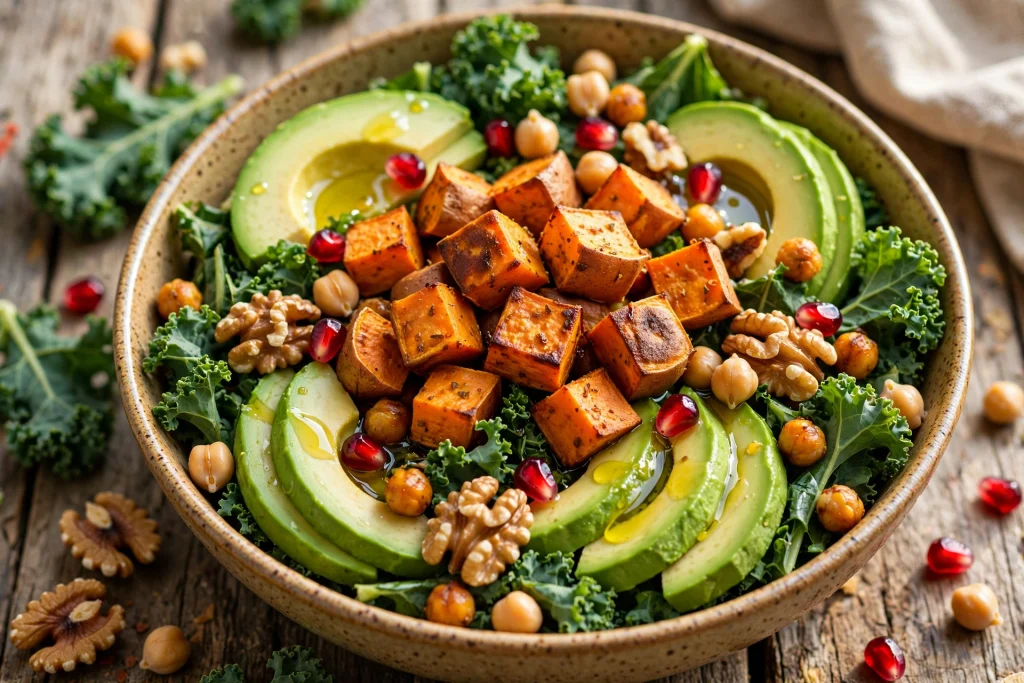
Smart snacks that combine produce with healthy fats or protein
Keep your energy levels steady by choosing snacks that pair produce with a healthy fat or protein source. An apple with a tablespoon of almond butter or a cup of Greek yogurt with flaxseeds works perfectly. These small, nutrient-dense bites prevent hunger spikes and keep you focused.
A simple plate formula for consistent, flexible choices
You do not need to follow a rigid menu to see results. Use a simple formula: fill half your plate with vegetables, one-quarter with lean protein, and one-quarter with whole grains. This flexible approach ensures you get a wide range of nutrients without the stress of complex meal planning.
Budget-friendly and convenient options for busy households
Healthy eating is accessible even on a tight budget. Utilize frozen vegetables, which are just as nutritious as fresh ones, and keep canned beans or lentils in your pantry for quick protein additions. Batch-cooking grains like oats or quinoa on the weekend can save you significant time during the busy work week.
| Meal Time | Primary Focus | Example Choice |
| Breakfast | Fiber & Protein | Oatmeal with berries and walnuts |
| Lunch | Vegetables & Grains | Quinoa salad with mixed greens |
| Dinner | Quality Protein | Baked salmon with steamed broccoli |
| Snack | Healthy Fats | Carrot sticks with hummus |
Foods and Habits to Limit When Managing Inflammation
While adding nutritious items to your plate is vital, understanding what to limit is equally important for your wellness journey. Focusing on anti-inflammatory foods for inflammation helps create a strong foundation, but consistent progress also requires reducing items that may trigger unwanted reactions.
anti-inflammatory foods for inflammation
Highly processed foods with excess added sugar
Many packaged snacks and drinks contain high levels of added sugars that can spike blood glucose levels. Frequent consumption of these items often disrupts your body’s natural balance. Choosing whole, unprocessed ingredients is a much better way to fuel your day.
Refined carbohydrates and heavily fried foods
Refined grains, such as white bread and pastries, lack the fiber found in whole alternatives. Similarly, foods cooked in deep fryers often contain unhealthy fats that can hinder your progress. Swapping these for complex carbohydrates helps maintain steady energy levels throughout the day.
Processed meats and frequent high-saturated-fat choices
Processed meats like bacon, sausage, and deli slices are often high in sodium and preservatives. Relying on these foods too often can make it difficult to manage your health goals effectively. Prioritizing lean proteins is a key strategy when using anti-inflammatory foods for arthritis to support joint comfort.
How alcohol, poor sleep, and inactivity can affect overall wellness
Your lifestyle choices extend far beyond the kitchen. Alcohol consumption, lack of restorative sleep, and a sedentary routine can all contribute to systemic stress. True wellness is a holistic effort that combines movement and rest with your dietary habits.
Reading labels without turning healthy eating into an all-or-nothing plan
Learning to read nutrition labels empowers you to make informed decisions at the grocery store. However, it is important to avoid an all-or-nothing mindset that leads to unnecessary stress. Focus on the frequency and portion sizes of your choices rather than aiming for perfection.
Safety considerations for food allergies, medications, and chronic conditions
If you are managing specific health concerns, it is essential to prioritize safety. Individuals dealing with food allergies, medication interactions, or chronic pain should always consult a healthcare professional. Seeking personalized advice ensures that your use of anti-inflammatory foods for pain relief is both safe and effective for your unique needs.
Conclusion
Building a healthier lifestyle starts with the small choices you make every single day. The best anti-inflammatory foods include a vibrant mix of berries, leafy greens, fatty fish, and healthy fats like extra-virgin olive oil.
These natural anti-inflammatory foods work best when you pair them with consistent habits. Prioritize quality sleep, regular movement, and proper hydration to see the most benefit. These elements create a strong foundation for your long-term health goals.
Remember that food acts as a powerful tool for your body. It supports your wellness journey but does not replace professional medical care for chronic pain or arthritis. Always consult with your doctor regarding specific health conditions or medication needs.
Start your journey by adding one colorful, fiber-rich, or minimally processed item to your next meal. Small, steady changes lead to lasting results. Enjoy the process of nourishing your body with ingredients that help you feel your best.
FAQ
What are the best anti-inflammatory foods to add to my daily meals?
Focusing on a variety of colorful, nutrient-dense options is key to a healthy lifestyle. Some of the top anti-inflammatory foods include blueberries, spinach, walnuts, and fatty fish like Wild Planet Sardines. Adding Extra-Virgin Olive Oil (such as Bertolli) and fiber-rich chickpeas or lentils can also help you build a well-rounded and effective anti-inflammatory foods list for your kitchen.
Can choosing specific anti-inflammatory foods for arthritis actually reduce joint pain?
While no single food acts as a guaranteed cure, an overall anti-inflammatory diet may support joint health and general mobility. Foods rich in omega-3 fatty acids, like Atlantic Salmon, and antioxidant-heavy spices like McCormick Turmeric, are often recommended as anti-inflammatory foods for pain relief. However, it is always important to consult with a specialist at an organization like the Arthritis Foundation for a medical plan tailored to your specific needs.
What are the most effective natural anti-inflammatory foods for general health?
For overall wellness, look toward leafy greens, cruciferous vegetables like broccoli, and green tea (such as Bigelow). These anti-inflammatory foods for health provide essential antioxidants and polyphenols that support your immune system and help manage inflammation throughout the body. Integrating these natural anti-inflammatory foods into a consistent eating pattern is more effective than focusing on any single “superfood.”
How do I incorporate anti-inflammatory diet foods into a busy schedule?
It’s much easier than you might think! You can use convenient, budget-friendly options like Kirkland Signature Frozen Mixed Berries for morning smoothies, Quaker Oats for a fiber-rich breakfast, or canned Goya Black Beans for a quick, protein-packed lunch. Building a sustainable anti-inflammatory foods list is all about making simple, flexible choices that fit your daily routine without requiring hours of prep.
Are there any specific foods I should limit to help manage inflammation?
To maximize the benefits of anti-inflammatory foods for inflammation, it is helpful to limit highly processed snacks, sugary beverages like Coca-Cola, and foods high in trans fats. Instead, focus on whole, minimally processed choices and pair them with healthy lifestyle habits—like regular movement and quality sleep—to support your body’s natural recovery processes and long-term vitality.
Is it safe to rely solely on anti-inflammatory foods for pain relief?
While a healthy diet is a powerful tool for wellness, it should complement, not replace, professional medical guidance. If you are managing chronic conditions, severe arthritis, or taking specific medications, it is best to speak with your doctor or a registered dietitian from the Academy of Nutrition and Dietetics. They can help ensure your anti-inflammatory diet foods align perfectly with your unique health requirements and safety needs.